Labyrinth Drawing Movement Workshops with the Five Islands Academy
“The Labyrinth was never a static object or a place. It was never a stone corridor. Instead, it was an event. It was a ritual dance to honour the bull and the annual rising of certain constellations. Each “passageway” was a chain of human hands, a serpentine gyration of gestures. The labyrinth was only ever the sacred relationship of people dancing - ecstatically, kinetically - inscribing the patterns of the sky into the soft dirt of the ground.”
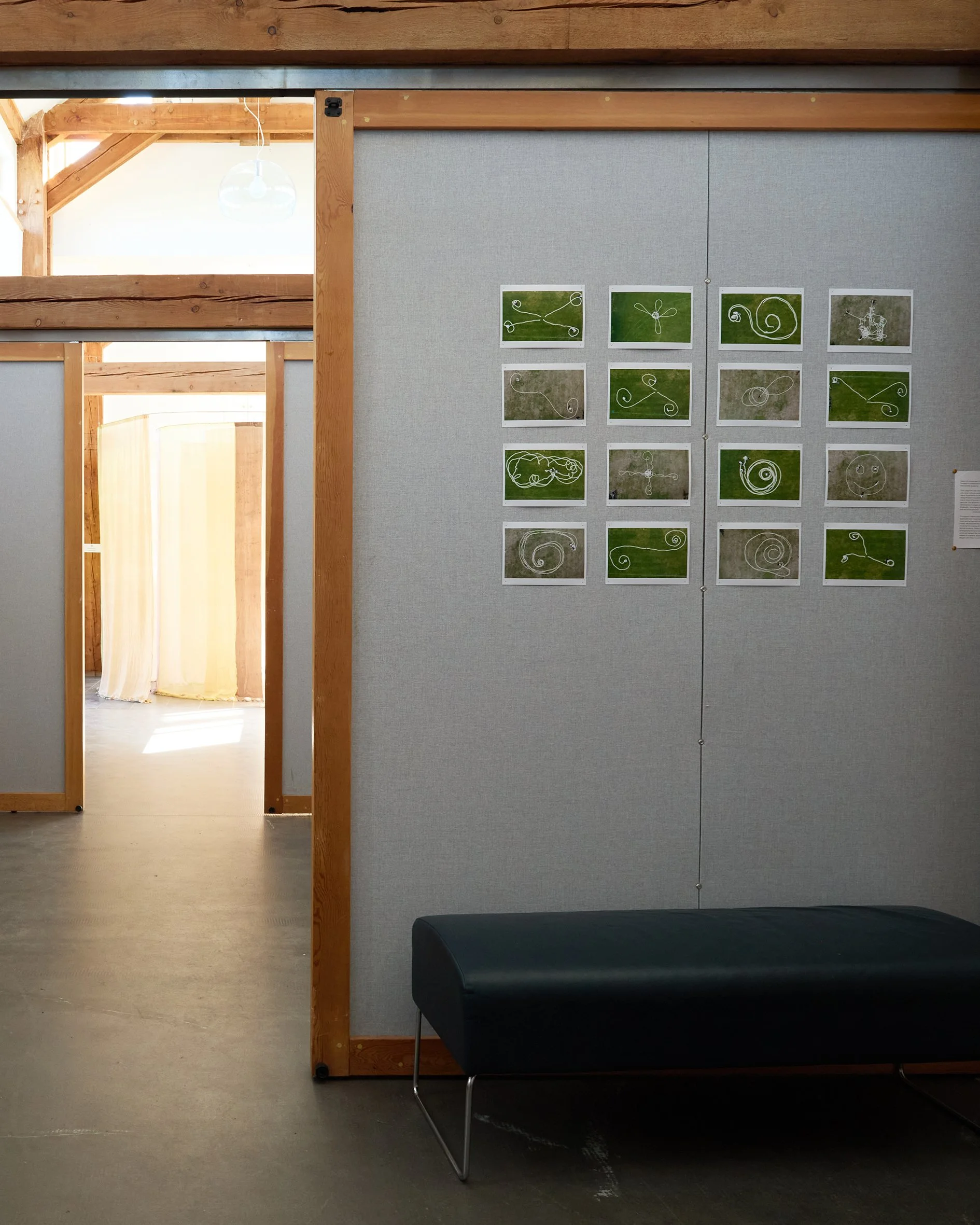
Throughout historic literature, labyrinths are associated with movement, dance and games as much as they are with physical structures like Scilly’s mazes (for more on this, read this previous blog post). We explored this idea of labyrinths as movement in a series of workshops with the Year 5 students at the Five Islands Academy. These images were made using a photography drone to create a bird’s eye image, onto which we tracked the movement of each child as they walked in a pattern, drawing their new labyrinth designs with their movements.
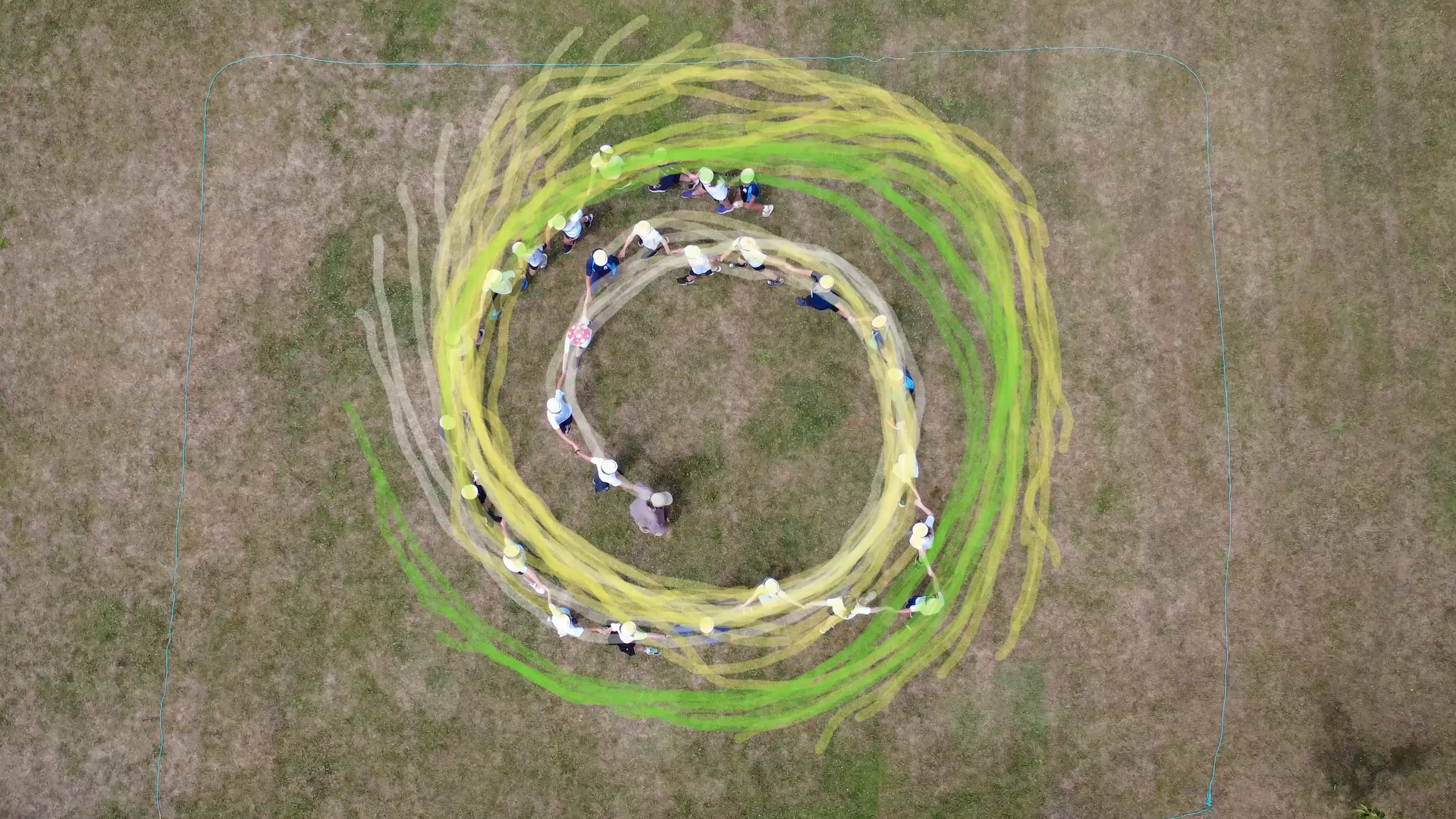
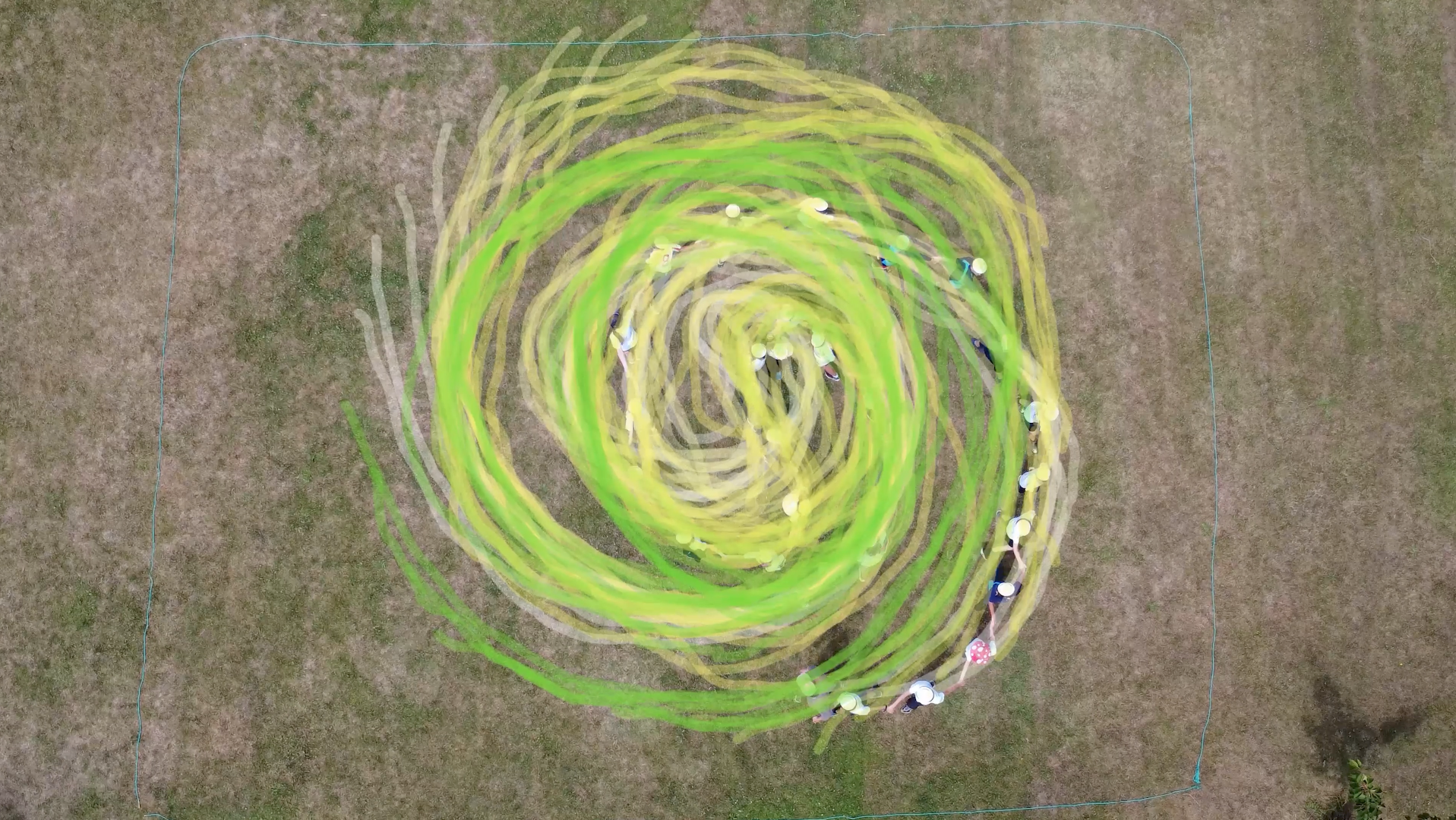
There are several labyrinthine dances in traditional Cornish culture, including those known as the “Serpent Dance” and the “Snail Creep.” These involve a group of people dancing in a line, which spirals into the centre almost to the point of collision, but at the last moment reversing the circle so the dancers begin spiralling outwards again. These images and video clip show the movements travelled by the Year 5 class as they all danced a Snail Creep together.
“The young people being all assembled in a large meadow, the village band strikes up a simple but lively air and marches forward followed by the whole assemblage, leading hand in hand the whole time keeping to a lively step. The band or head of the serpent keep marching in an ever narrowing circle whilst its train of dancing followers becomes coiled around in circle after circle. It is now that the most interesting part of the dance commences, for the band taking a sharp turn about commences to retrace the circle, still following as before.”
~ Account of a Cornish Snail Creep dance from 1881
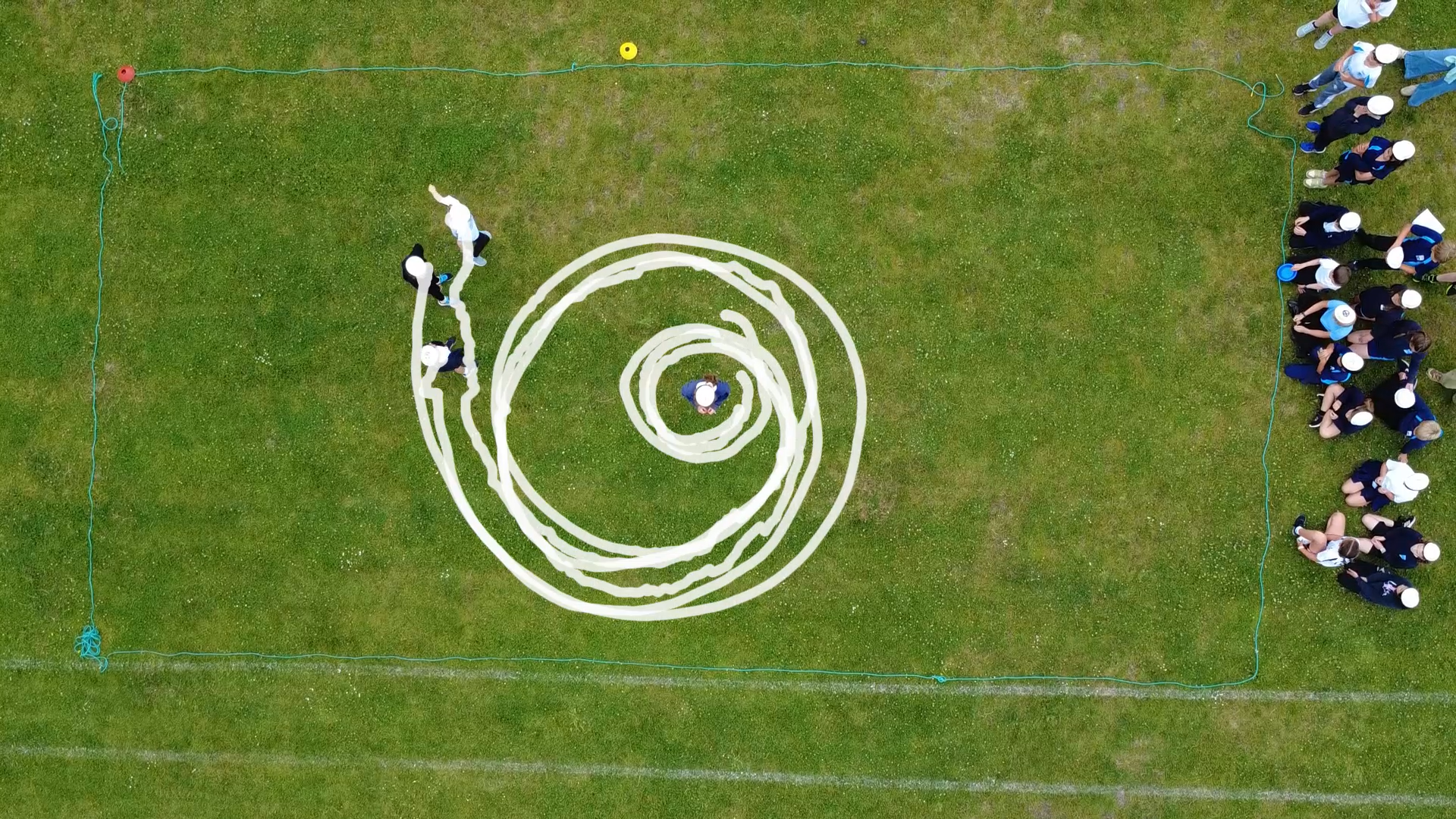
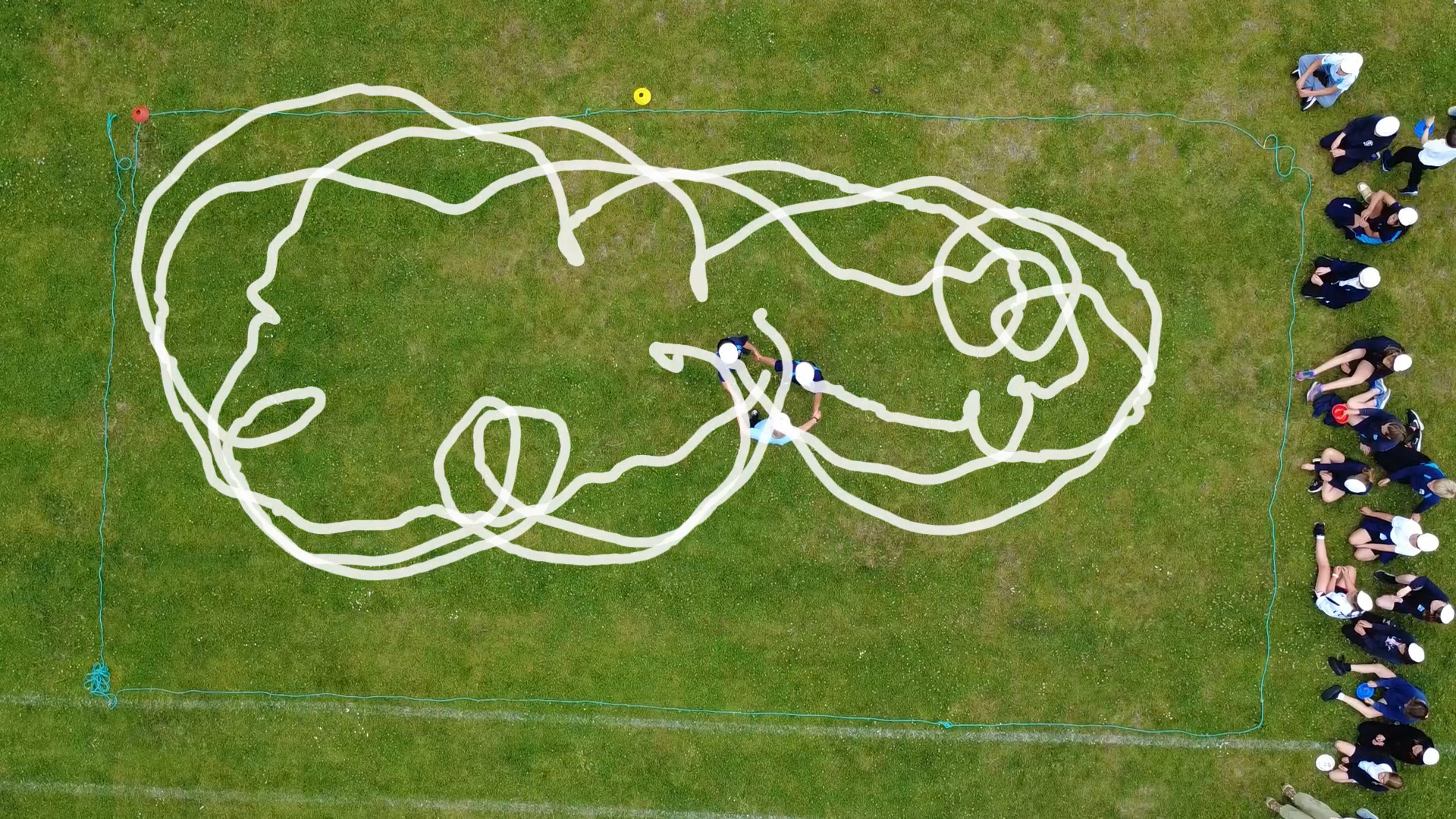
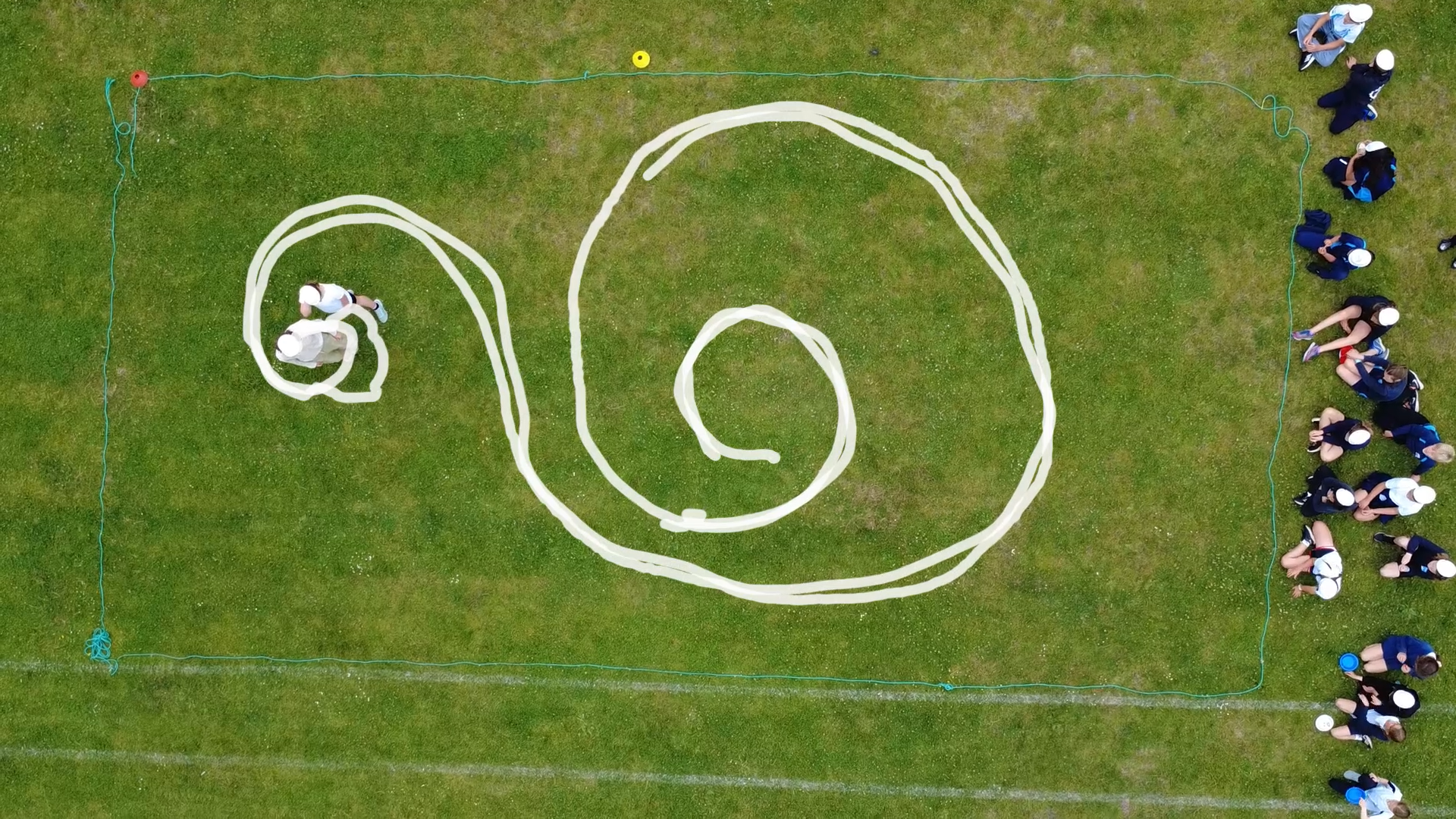
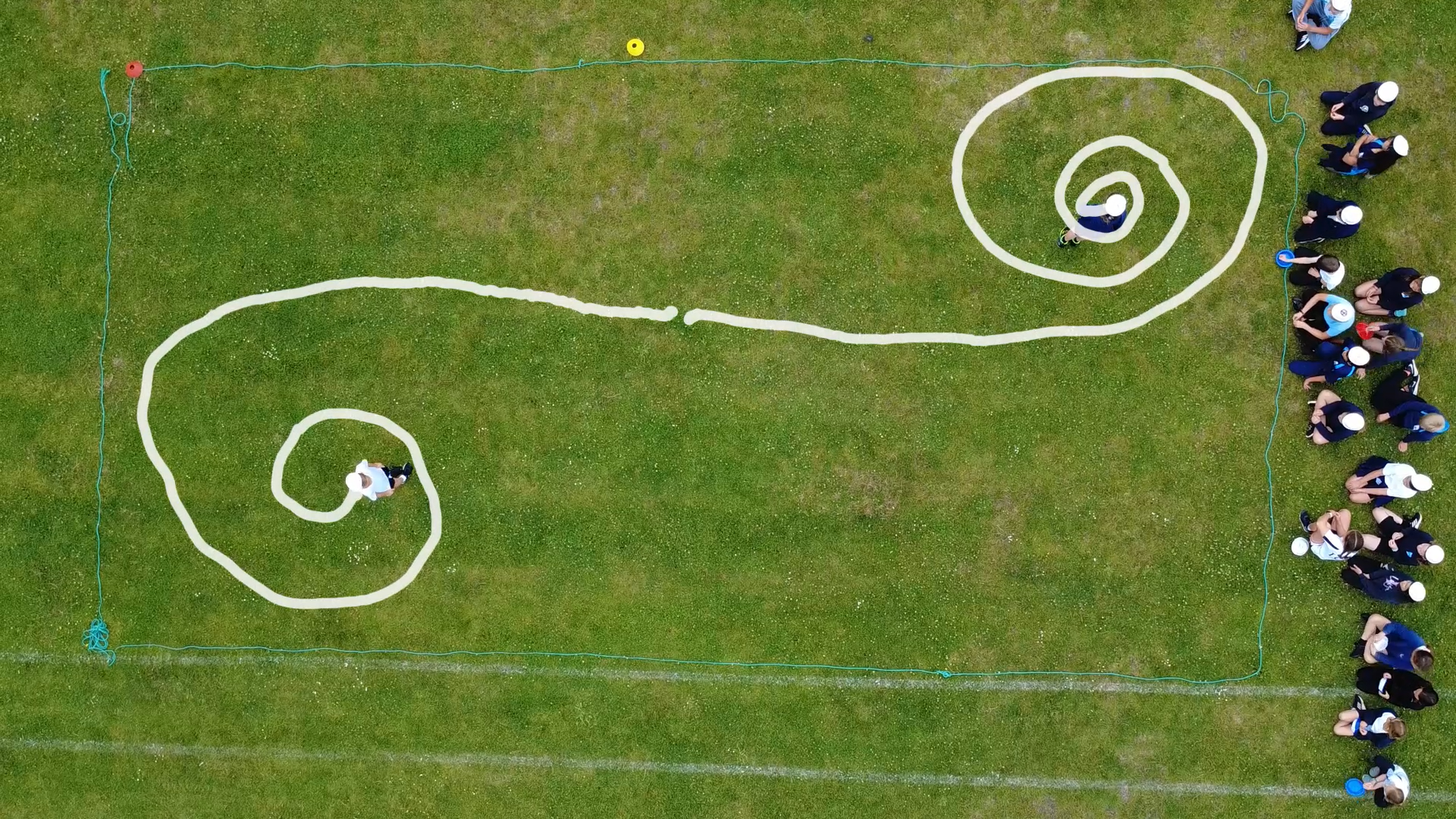
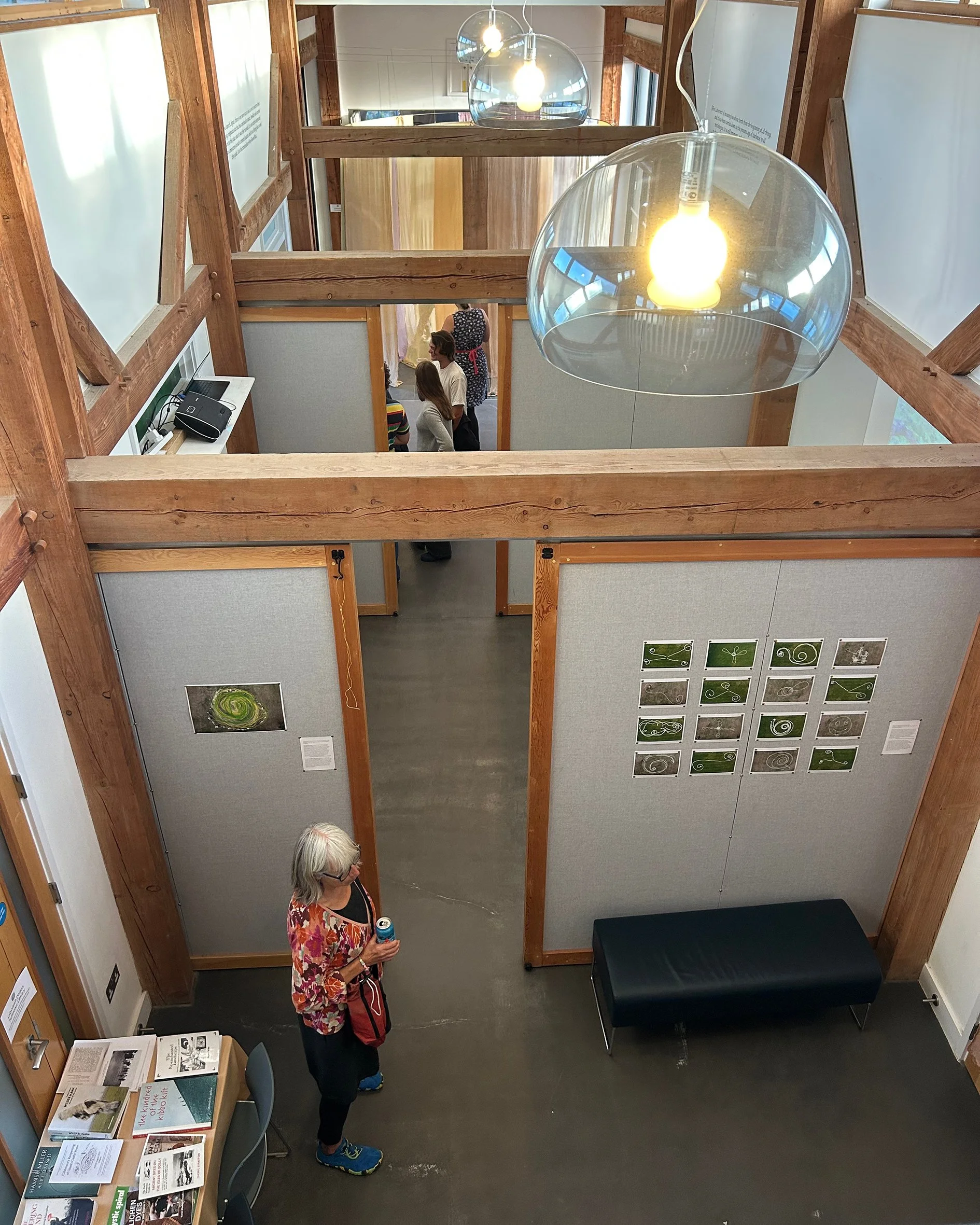
The students also drew their own labyrinth-inspired movement drawings. We showed the class a selection of different classic labyrinth designs from turf and pebble mazes from around the world, and, using these as inspiration, they worked out how to make patterns with their own movements. The images they created were displayed as part of the Vanishing Labyrinths of the Isles of Scilly Exhibition, and featured in the film we have made about the project.