Celebratory Reopening of Giant’s Castle Maze
After the successful restoration of Giant’s Castle Maze, we wanted to do something to celebrate this special site, and mark its “reopening” as a usable labyrinth again. Scilly is rich in ancient sites and relics which, like the labyrinths, hint at deeper, more spiritual and culturally significant meanings and belief systems held by the islanders of the past. These places ignite sparks of imagination in all of us - wondering what their purpose could have been, who made them and why. Elsewhere in the country there are often songs, folk tales or annual ceremonies that help to answer these questions. This oral and ritual tradition gives voice to cultural identities of the past, preserving beliefs and meaningful folk connection with the land, and sites like the labyrinths. This is particularly important for poorer, rural places - as Scilly would have been - where most people were illiterate and unable to write down their own histories or mythologies.
Sadly, no such folk tradition exists in the Isles of Scilly. We have the largest concentration of Scheduled Ancient Monuments in Britain (the islands have 2% of these, despite being only a few square miles of dry land) but we have hardly any folklore, festivals or traditions relating to these sites. This absence of an oral tradition is thought to be due to a period of depopulation in the early 19th Century when Augustus Smith became “Lord Proprietor of the Isles” and changed the laws of who was allowed to live and farm on the islands. This meant that a huge swath of the poorer population was displaced to the mainland. Presumably, there were not enough people left who knew the old stories, to continue telling them, so the true folklore of the islands was lost. All that remains are a handful of accounts from outsiders who largely projected their own beliefs onto the islands, often sensationalising Scillonian life and moralising about the “wicked” islanders.
We used the opportunity of “reopening” the restored labyrinth to reimagine some of Scilly’s lost folklore and traditions. Taking clues from nearby traditions, Cornish language, Scillonian place names, and labyrinth myths from other cultures, we created a high summer Labyrinth Festival that playfully explored Scilly’s lost folk heritage and celebrated the tradition of maze-making on the islands.
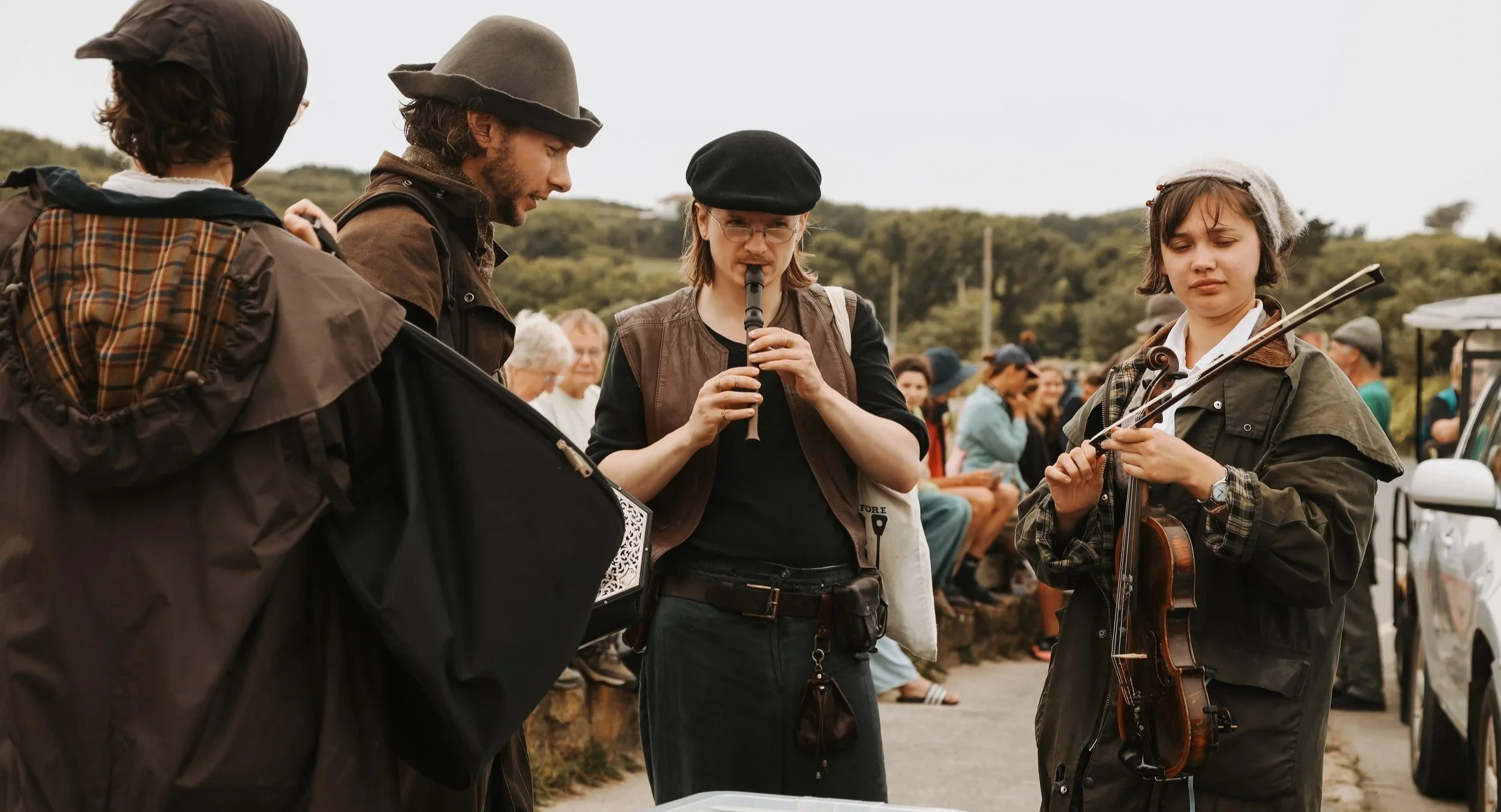
London based folk musicians Goblin Band played traditional English folk music to begin the procession from Old Town Beach out to Giant’s Castle Maze site…
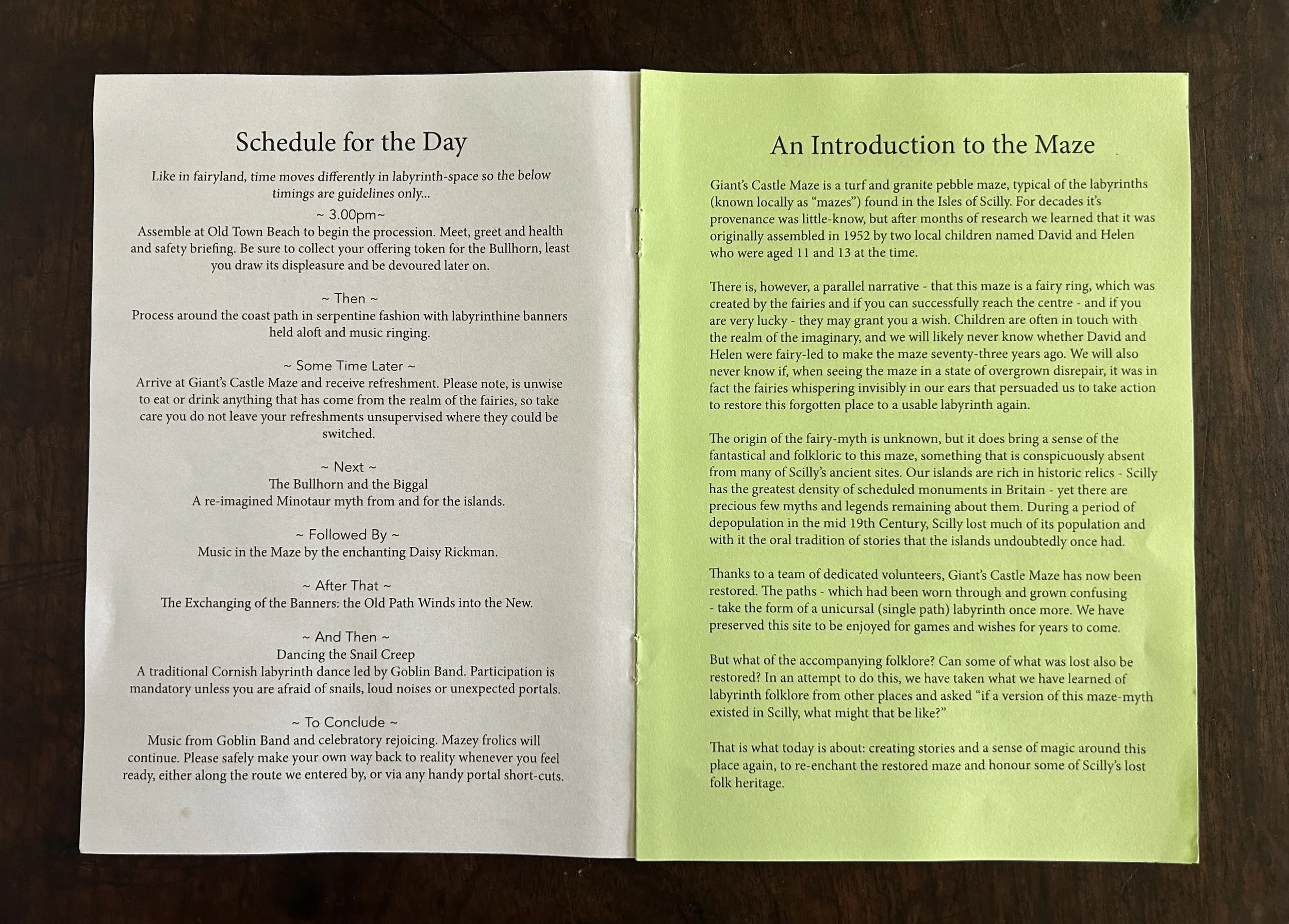
Programs for the day - inspired by the May Day Pageant programs in the Isles of Scilly Museum’s collection, which date back to the 1950s - let attendees know the structure for the day and gave context to the proceedings…
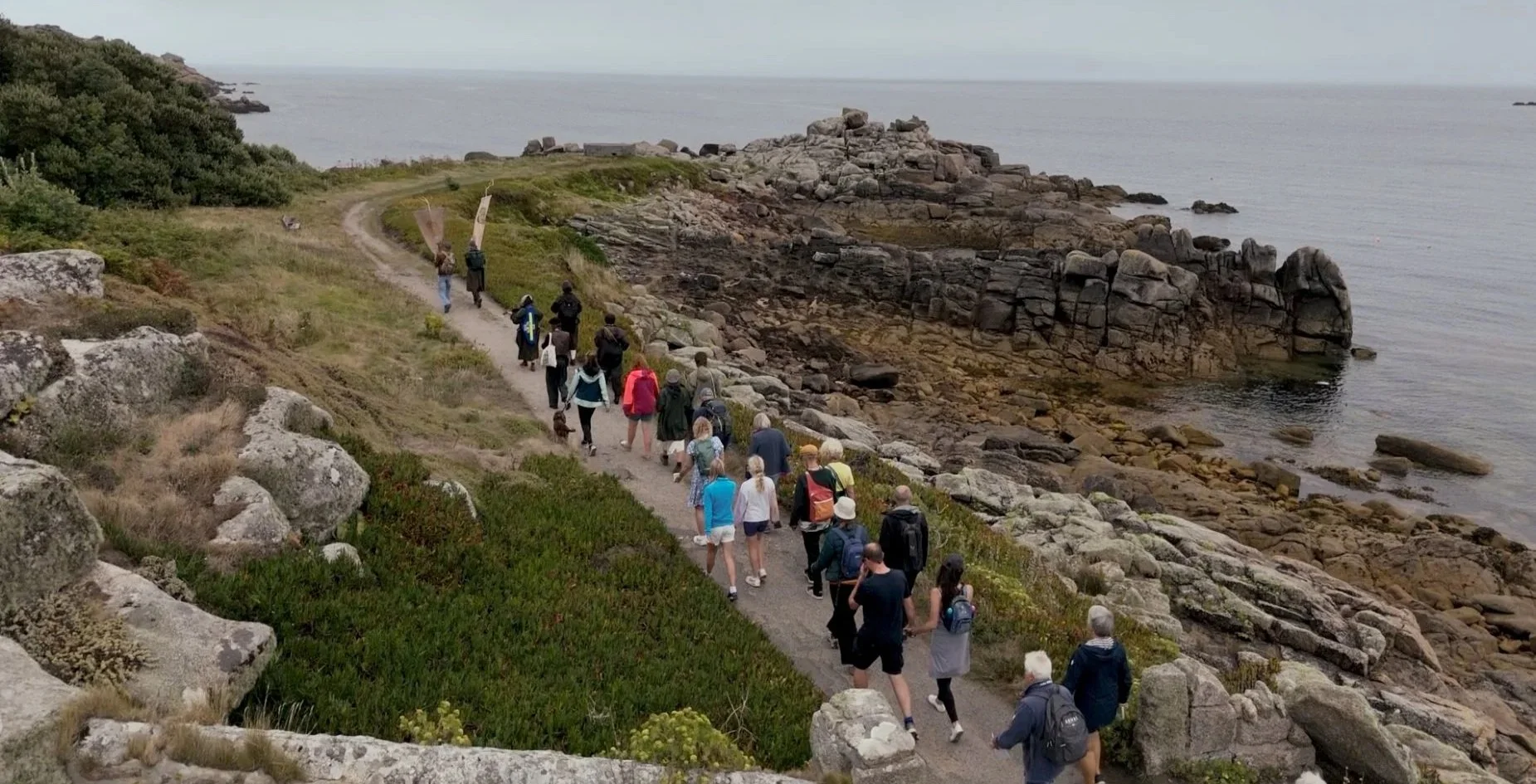
The procession walked around St Mary’s coast path out to the Giant’s Castle site…
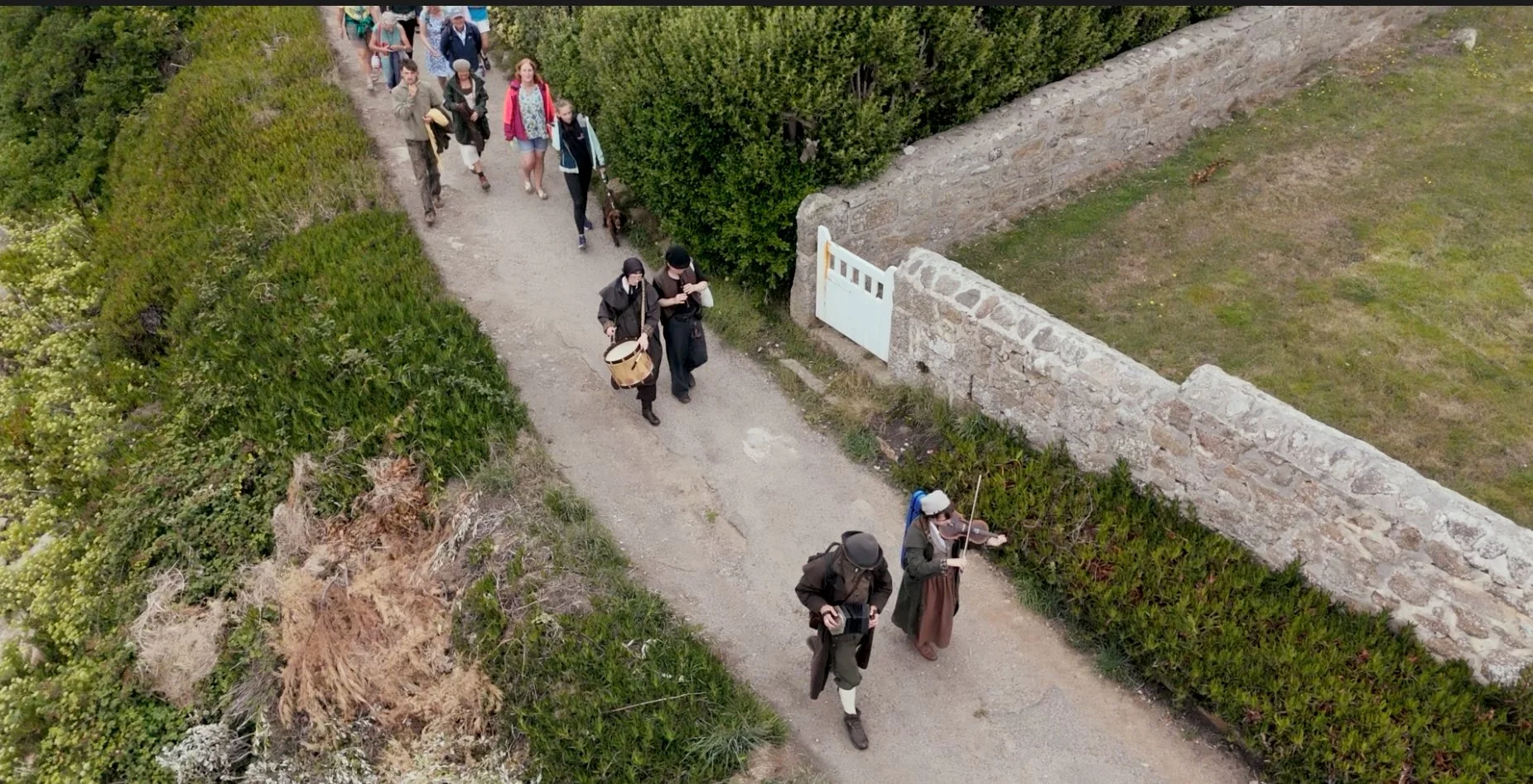
Goblin Band played as attendees processed processed…
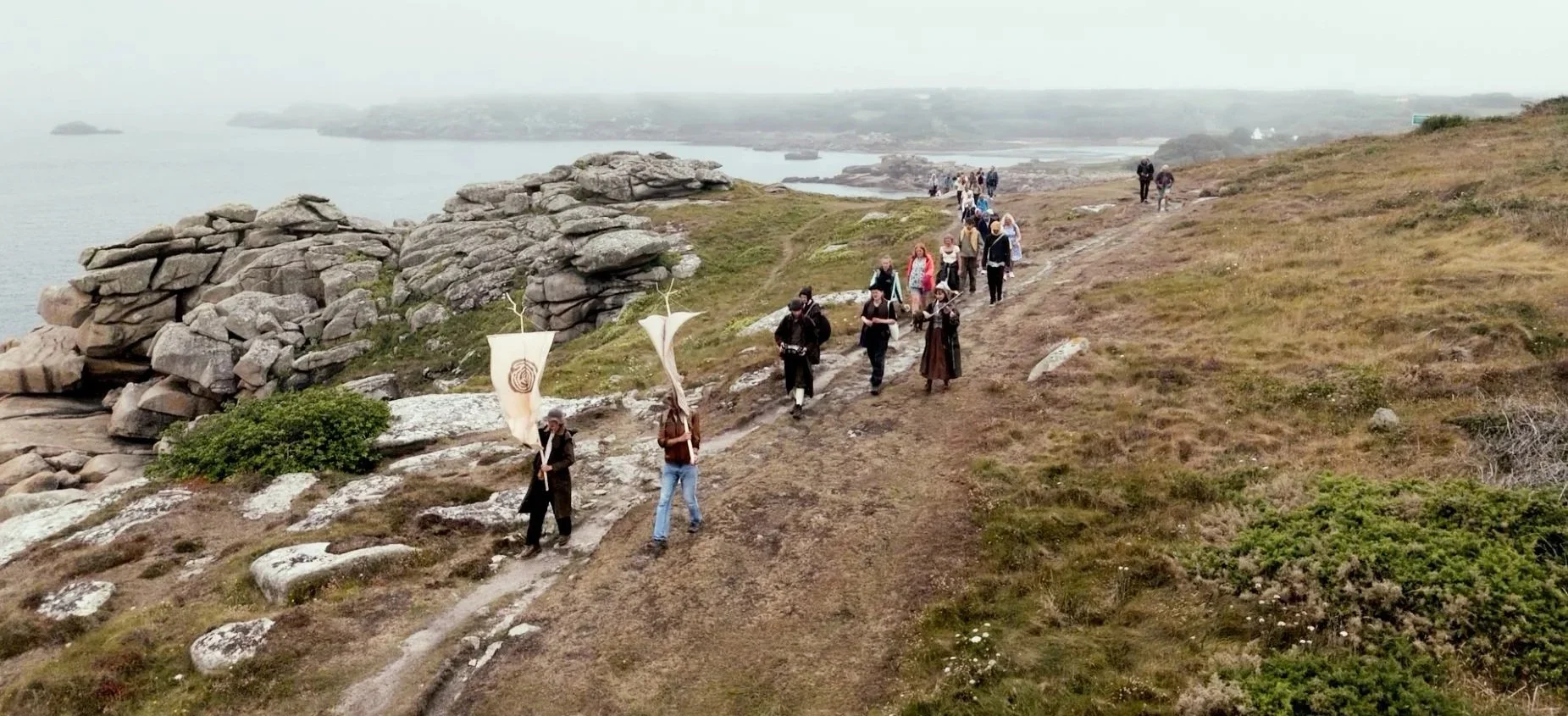
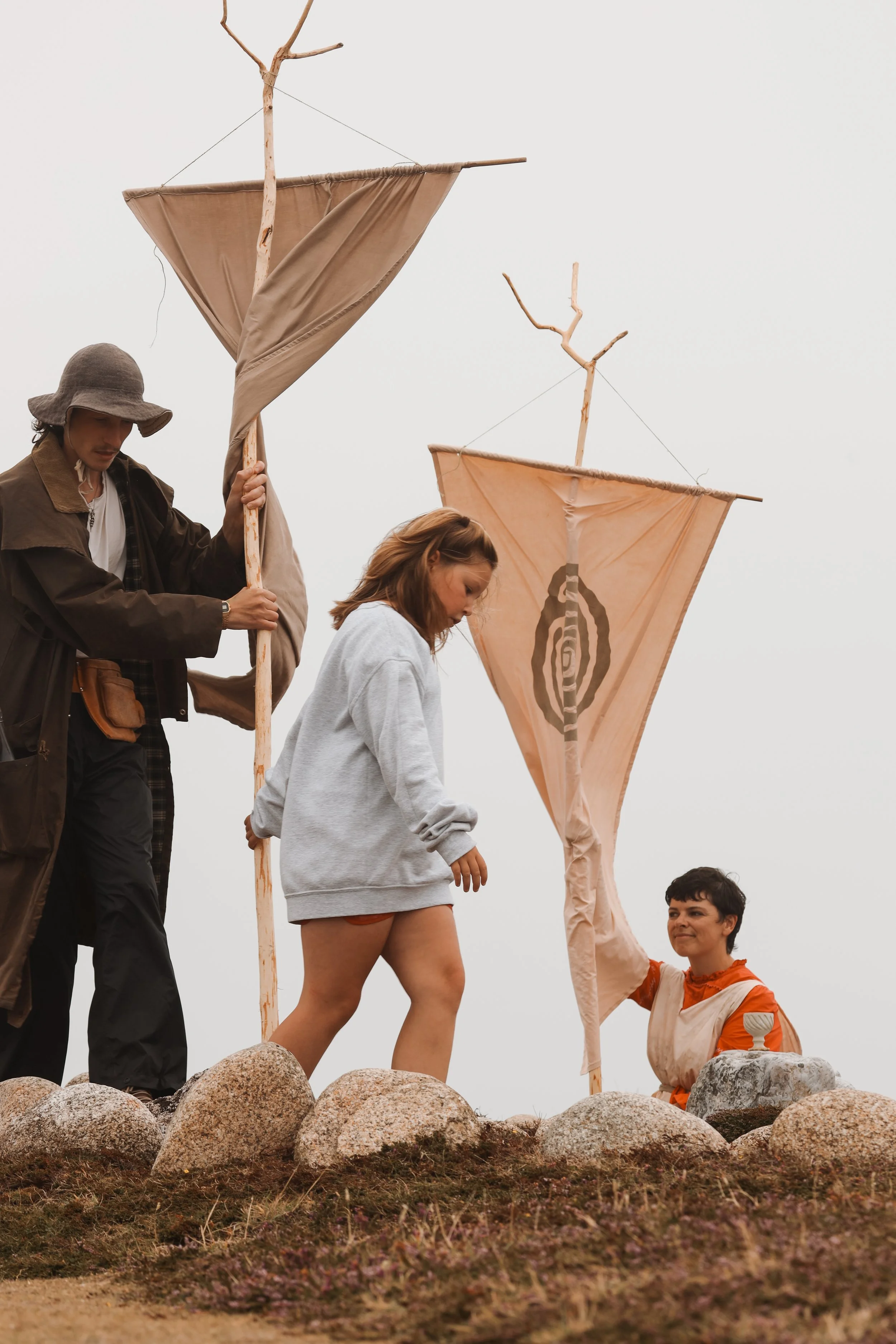
Banners depicting the pre- and post-restoration shape of Giant’s Castle Maze led the procession, carried by project lead Layan Harman and dowser Michael Stockbridge…

The procession reached the Maze, where they were met by a jester character named The Biggal Fool - and a giant snail-creature called The Bullhorn resting in the centre of the labyrinth…
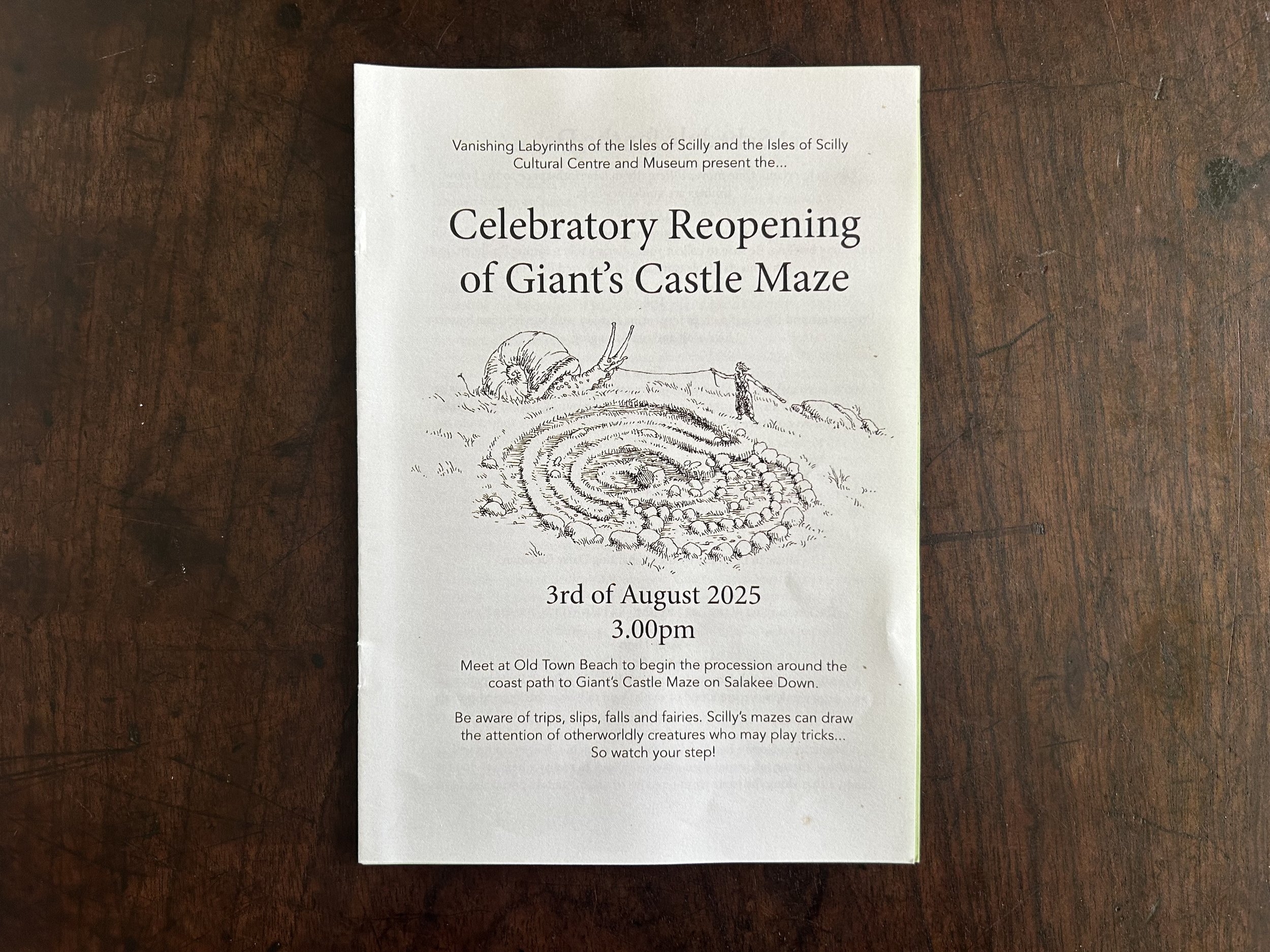
An illustration depicting the mummers’ play of The Biggal Fool and The Bullhorn graced the front of our programme for the day…
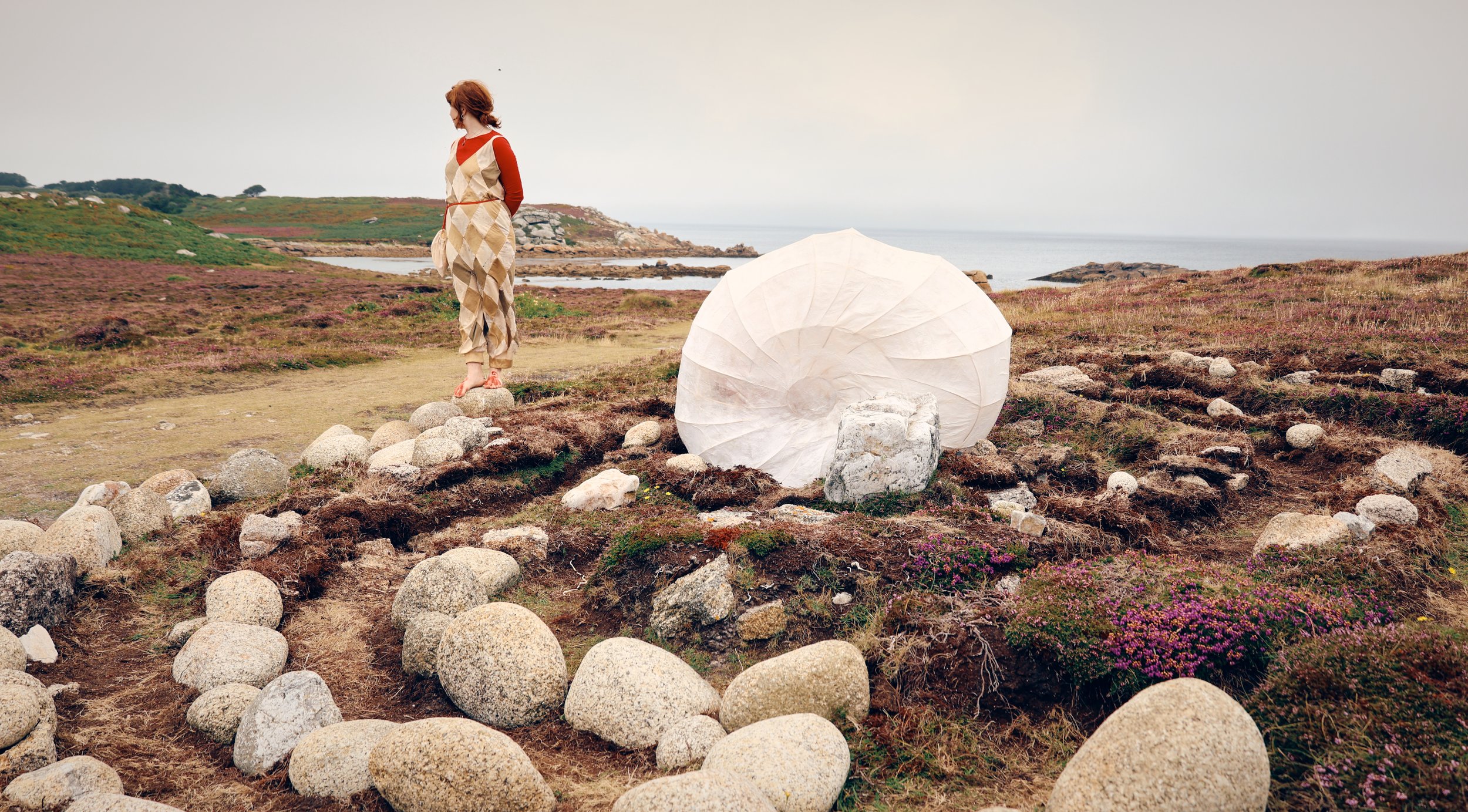
Performance artist Skye Turner plays the part of The Biggal Fool while project lead Teän Roberts lurks inside The Bullhorn’s shell…
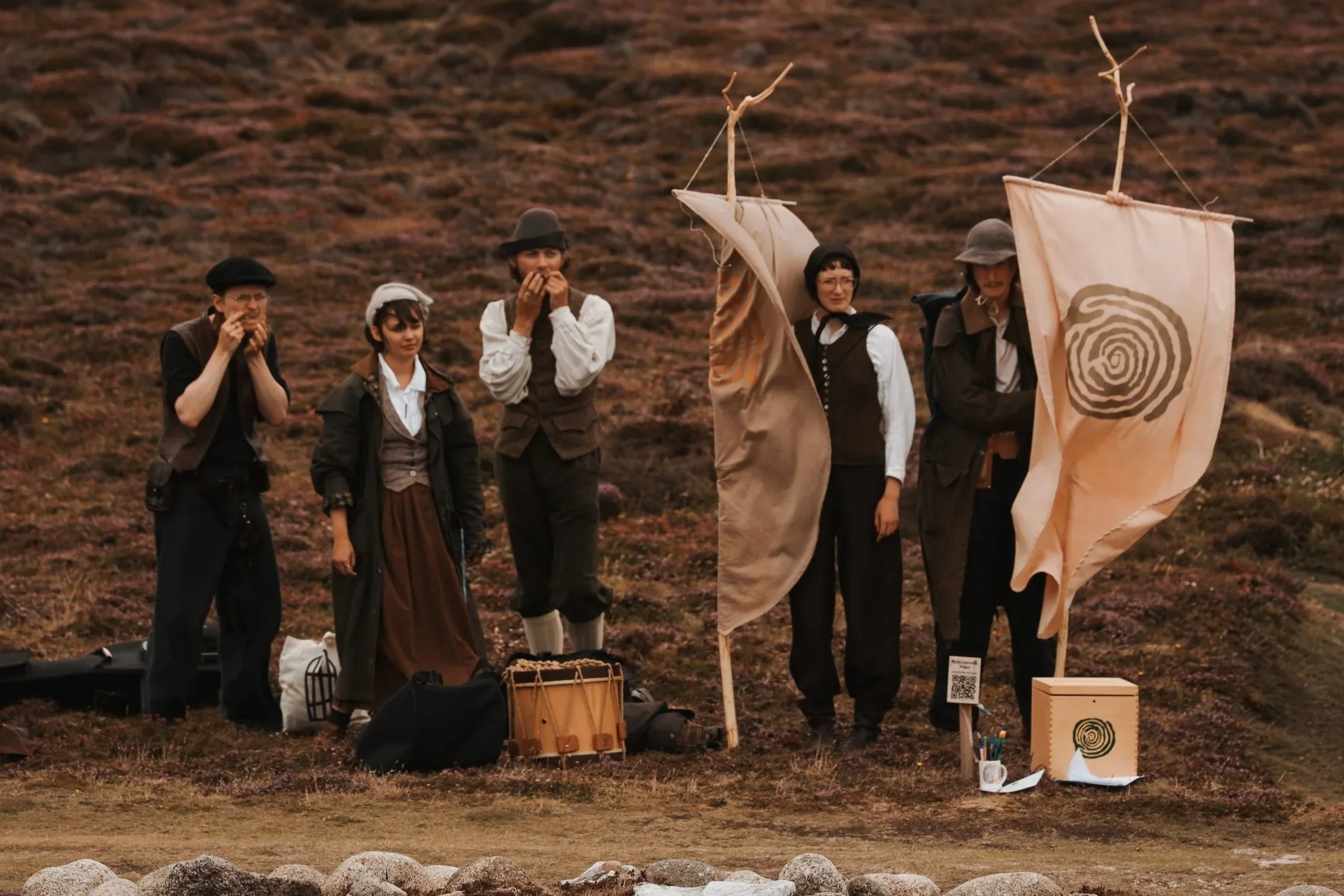
Goblin Band play jaw harps to accompany the mummers’ play…
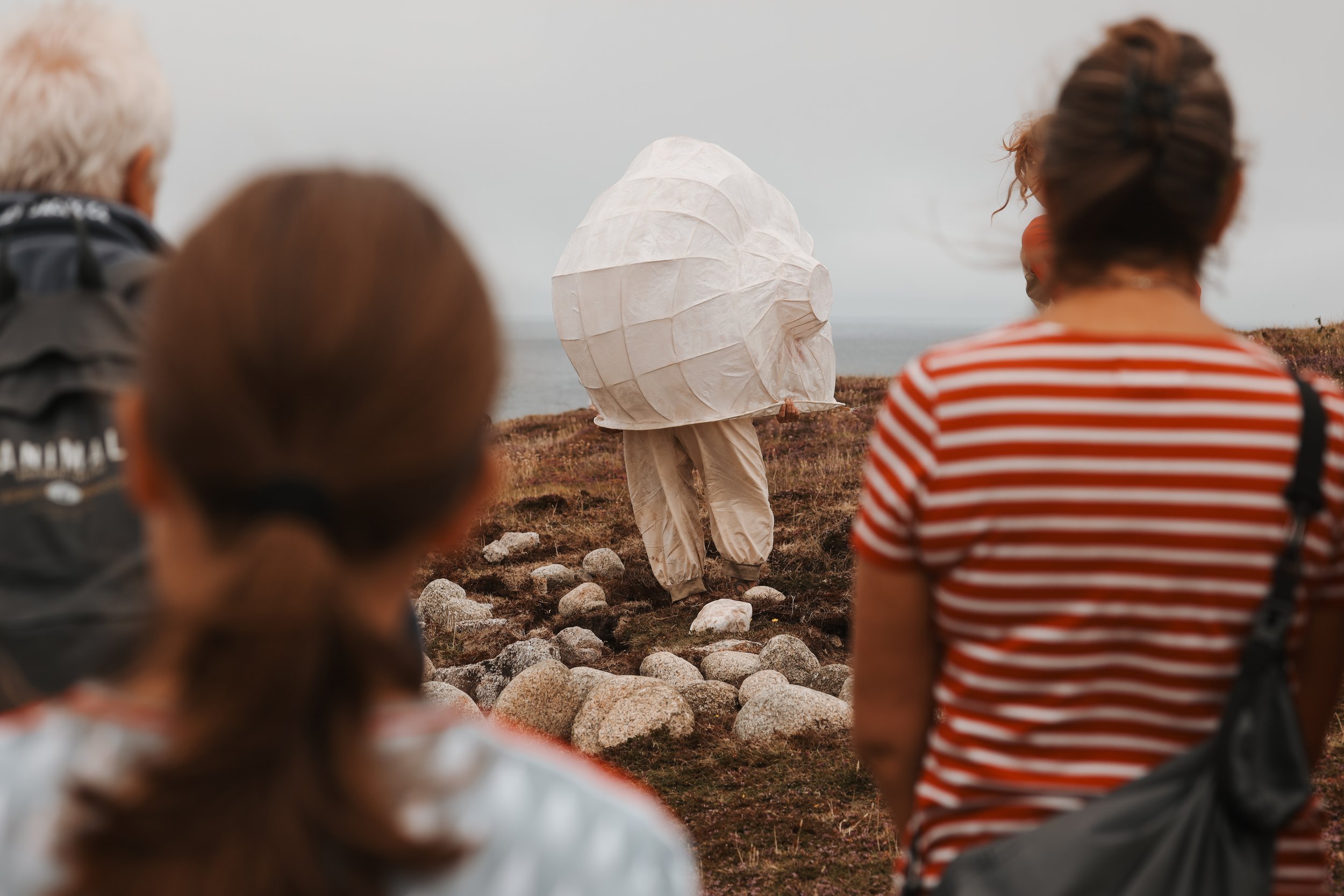
The Bulhorn - our reimagining of a Minotaur monster for the Scillies’ labyrinth - fiercely guards the centre of Giant’s Castle Maze…
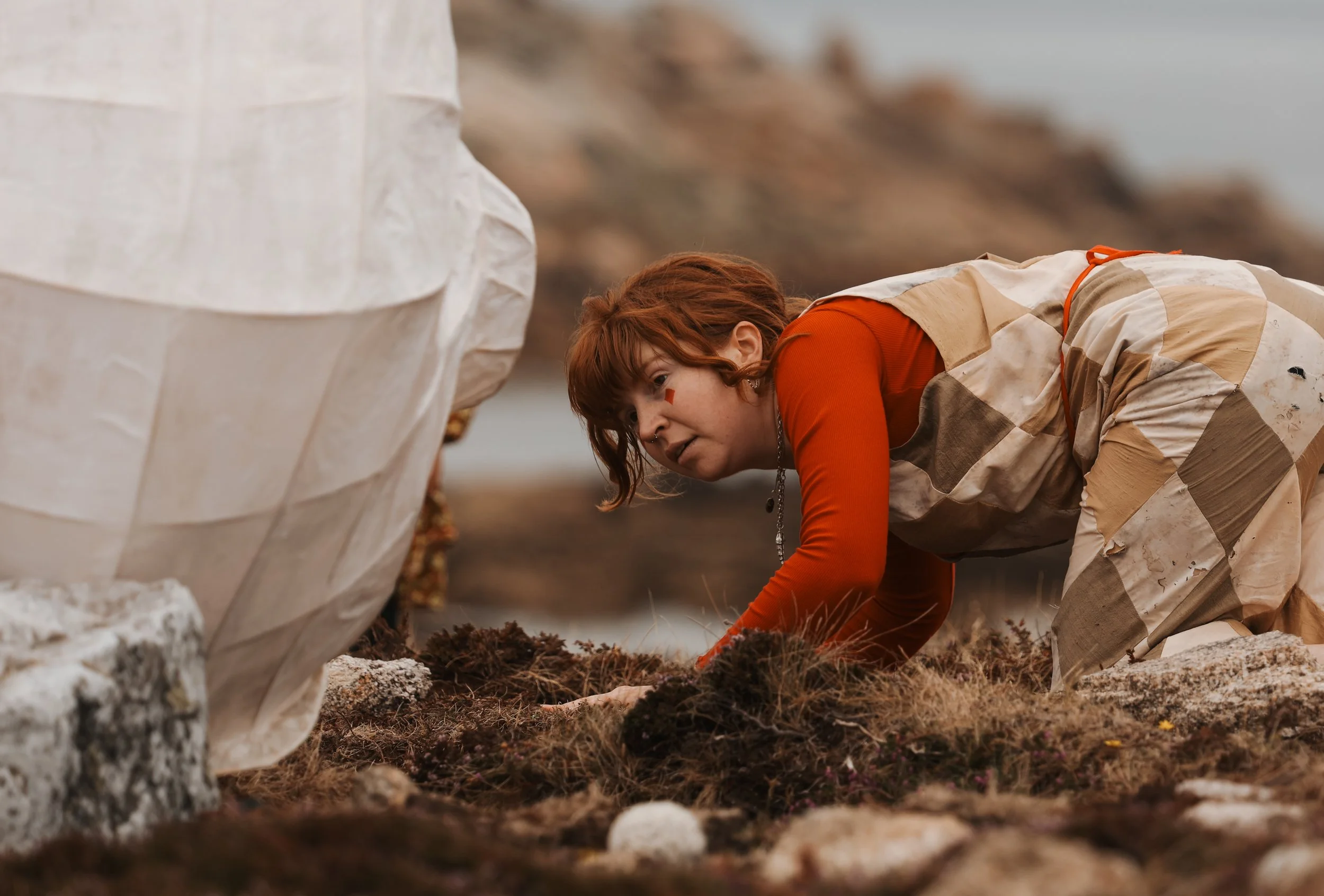
The Biggal Fool - a jester/teaser character approaches the frightening Bullhorn in an attempt to tame the wild creature…
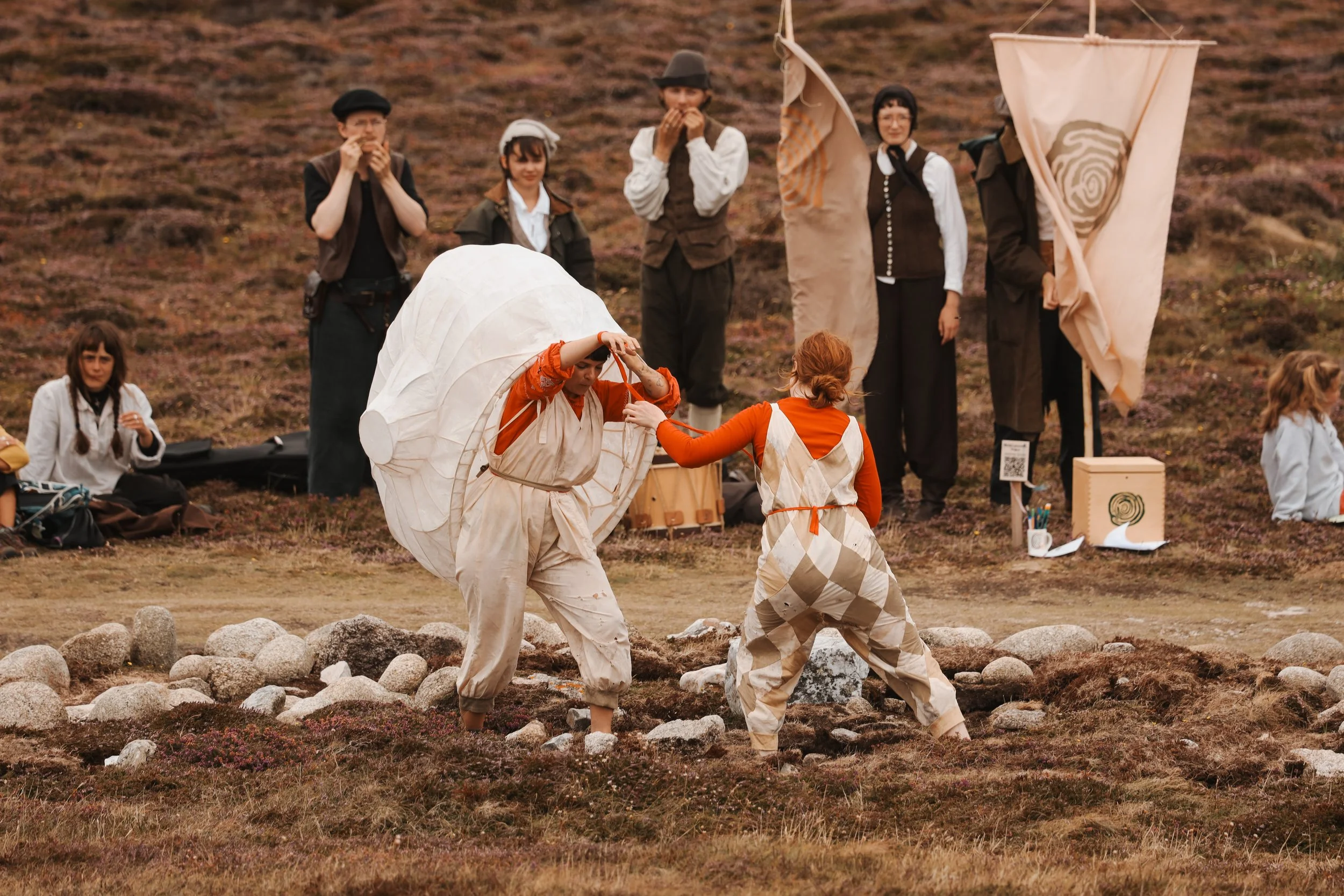
The Bullhorn is tamed and The Biggal Fool leads it out of the labyrinth to bestow blessings on the islanders…
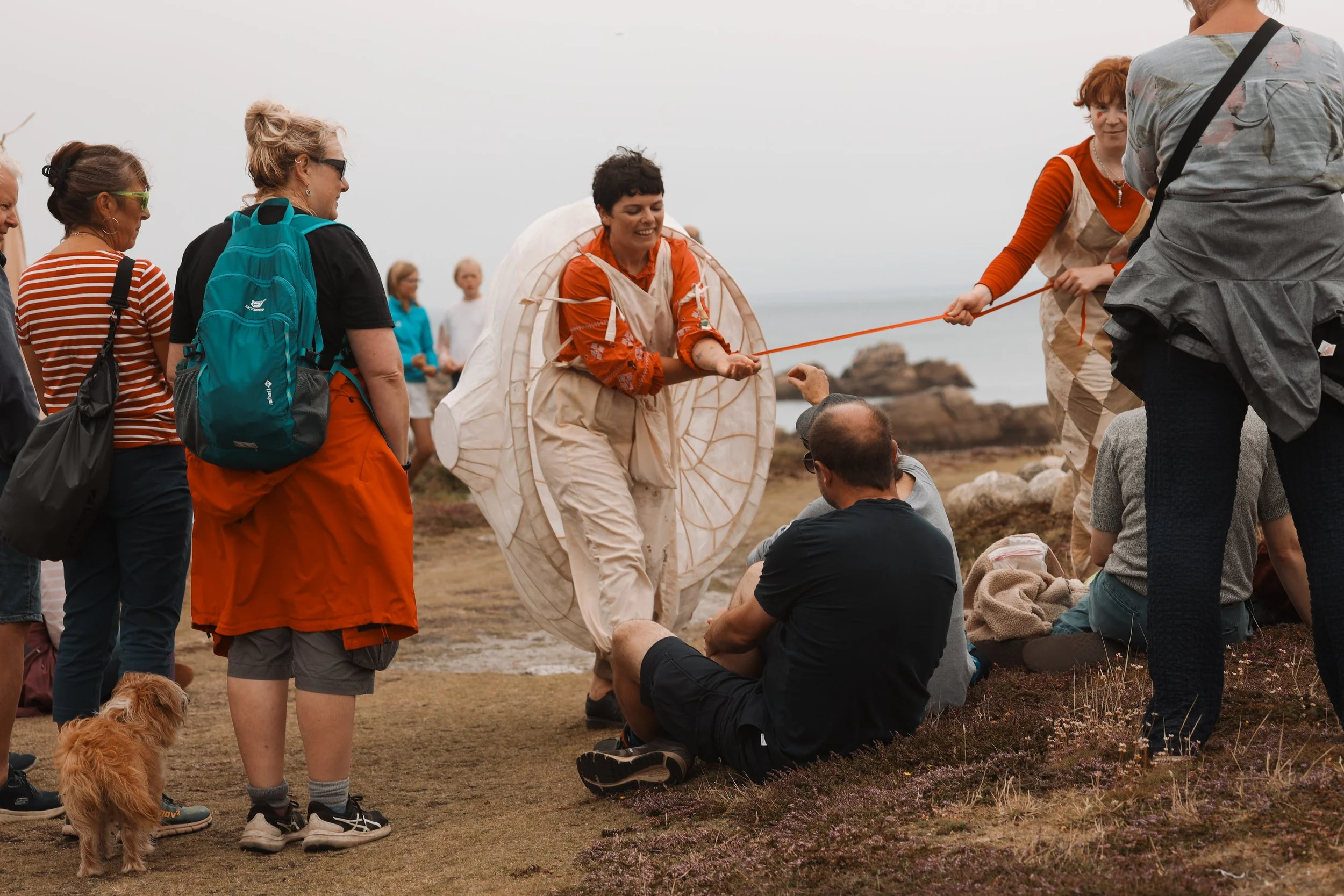
The islanders present the Bullhorn with offerings and in return are given blessings by the giant snail…
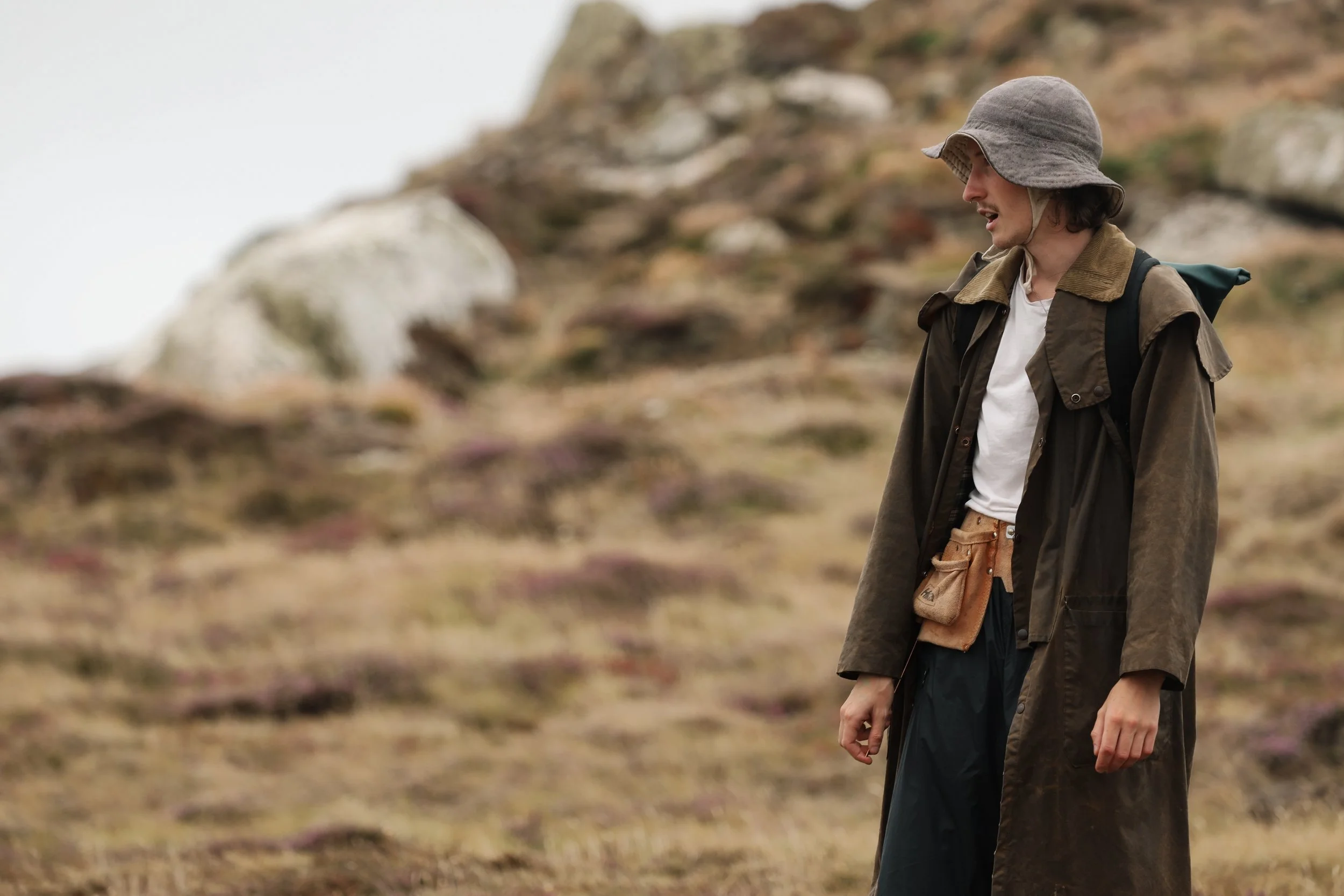
Layan Harman addresses the assembled revellers…
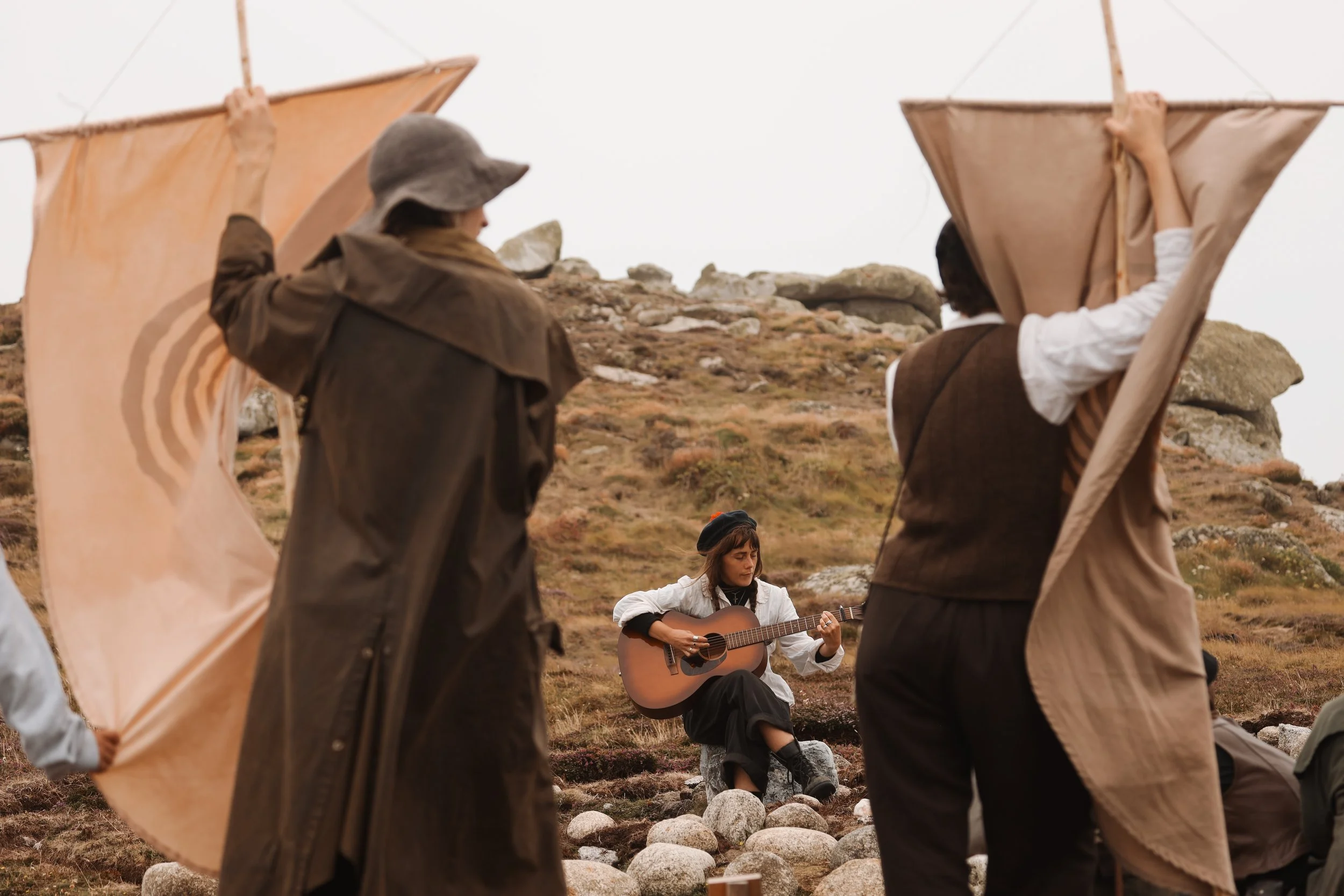
Folk musician Daisy Rickman plays an acoustic version of her song Majestic Sea in the centre of the labyrinth…
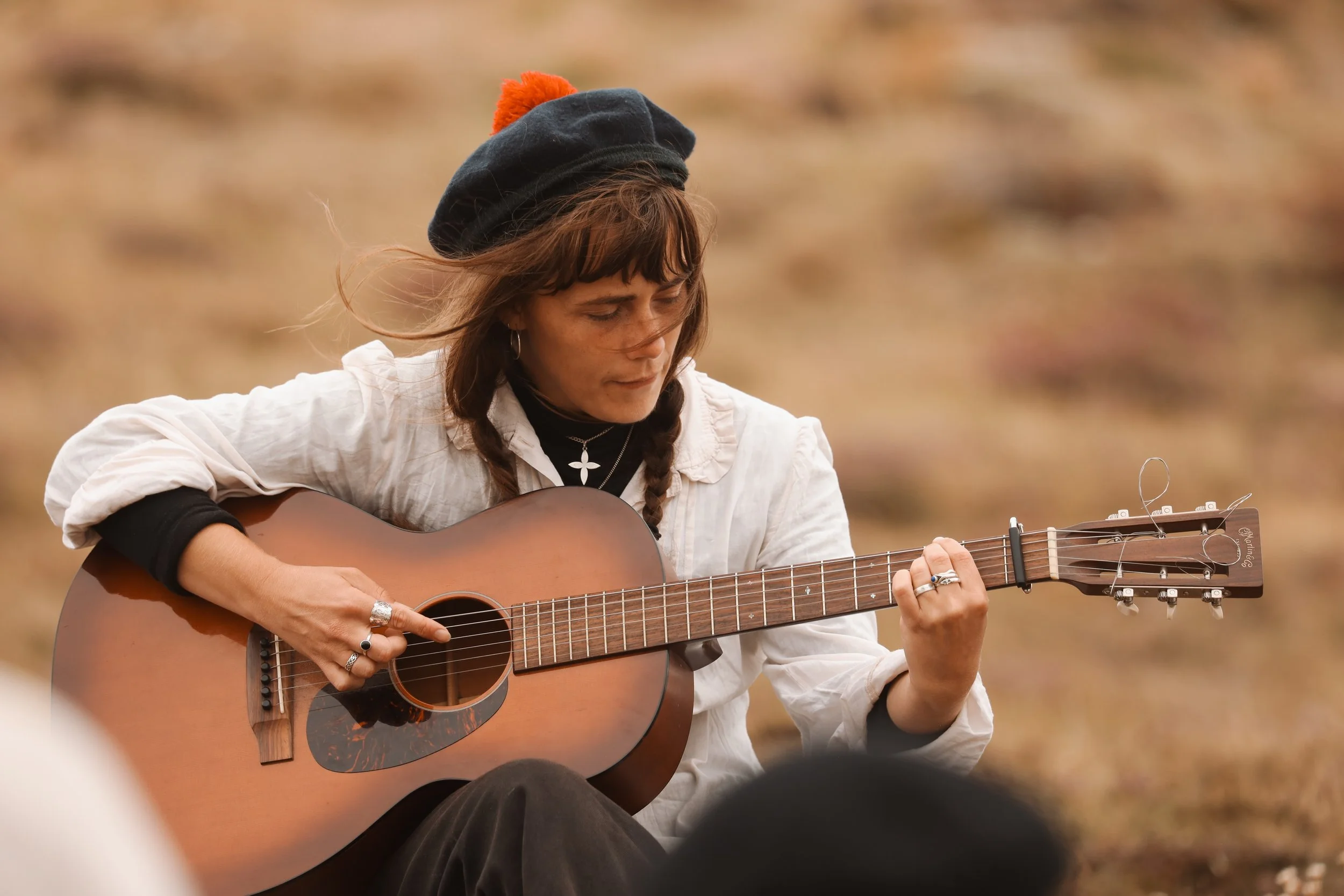
Daisy Rickman, who is based in Mousehole, just across the water, performs music inspired by West Penwith…
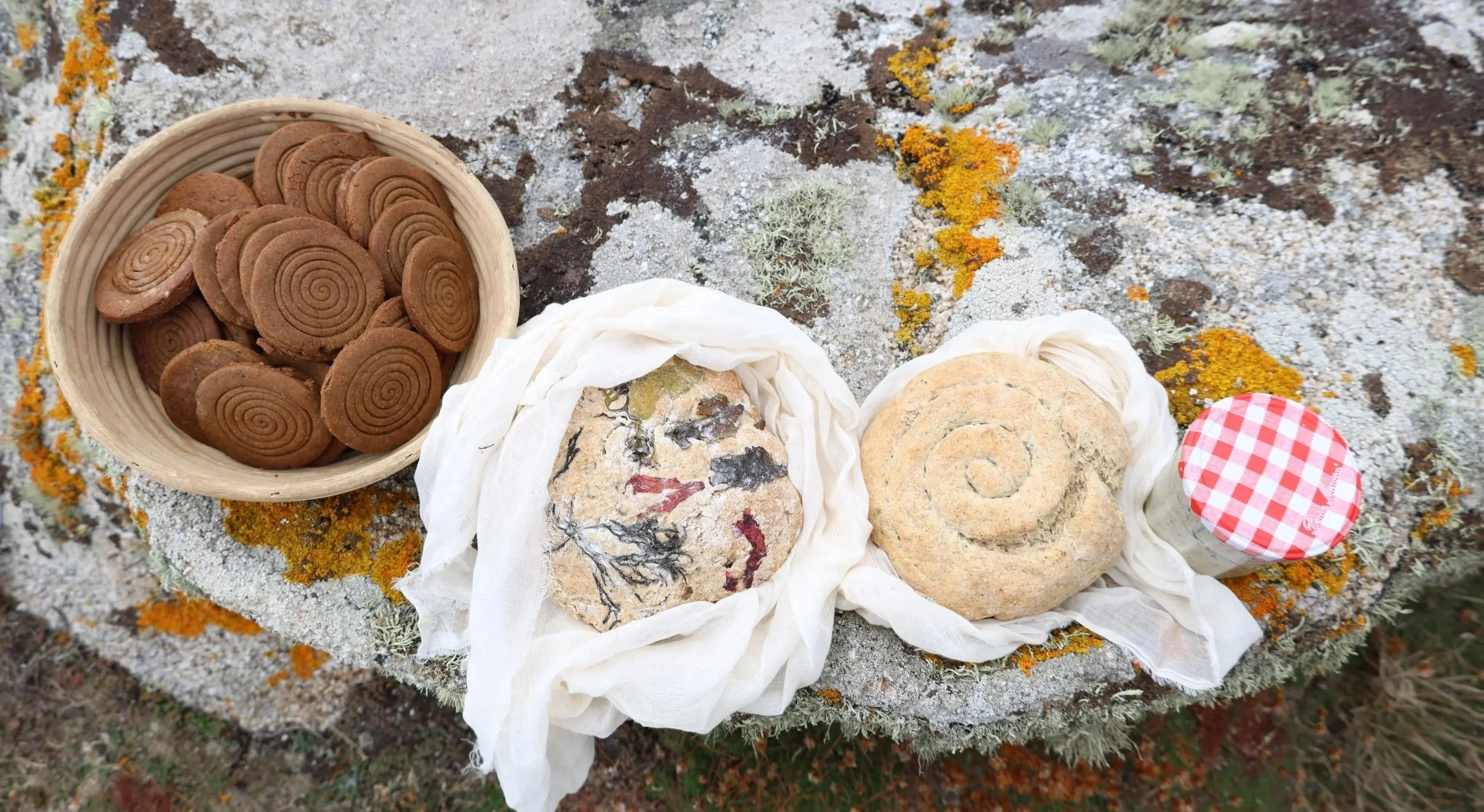
Culinary artists Poppy Litchfield and Anaïs Serres provided spirallic offerings biscuits and bread flavoured with locally foraged seaweeds…
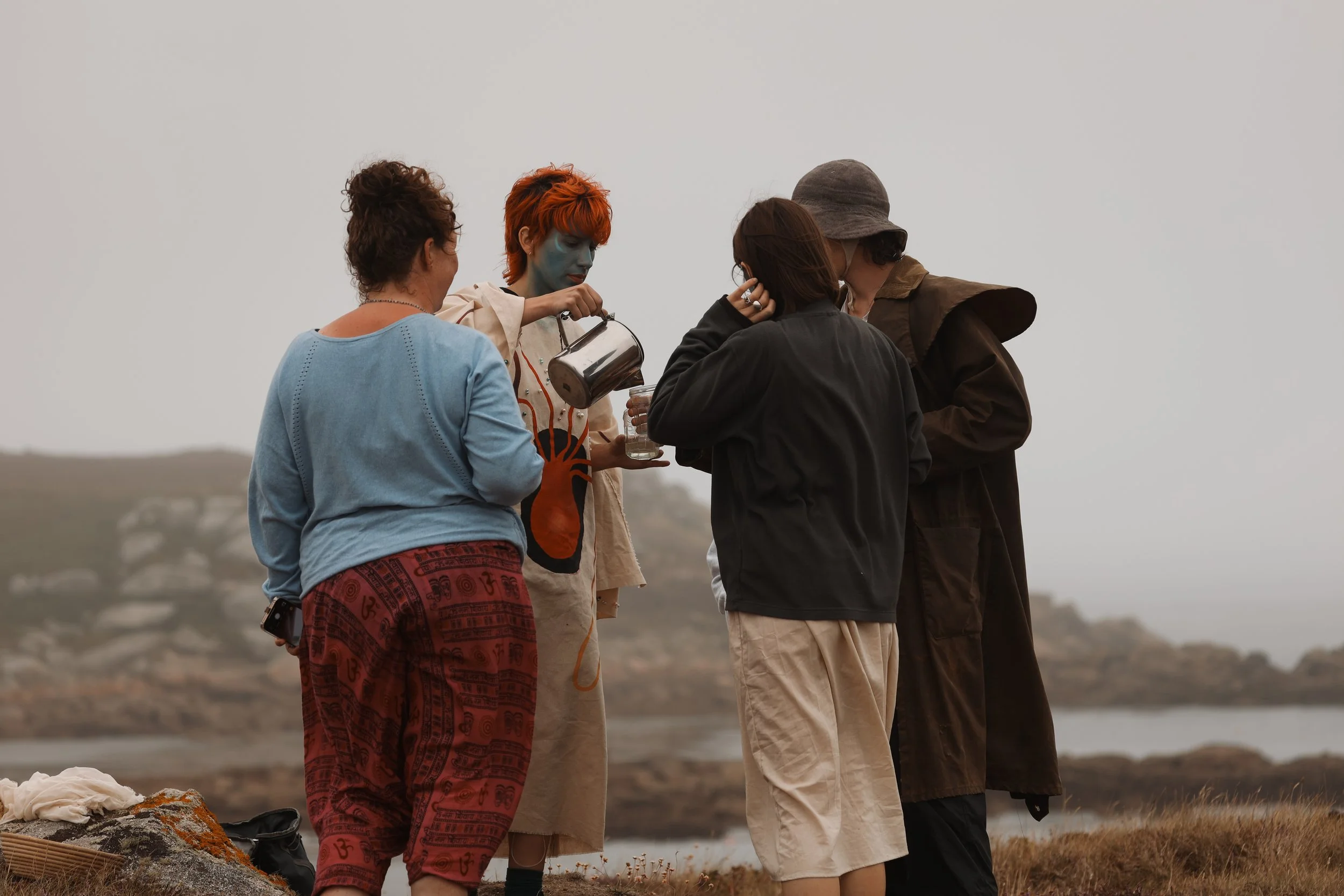
Warming tea made from fennel flowers picked nearby is served to attendees…
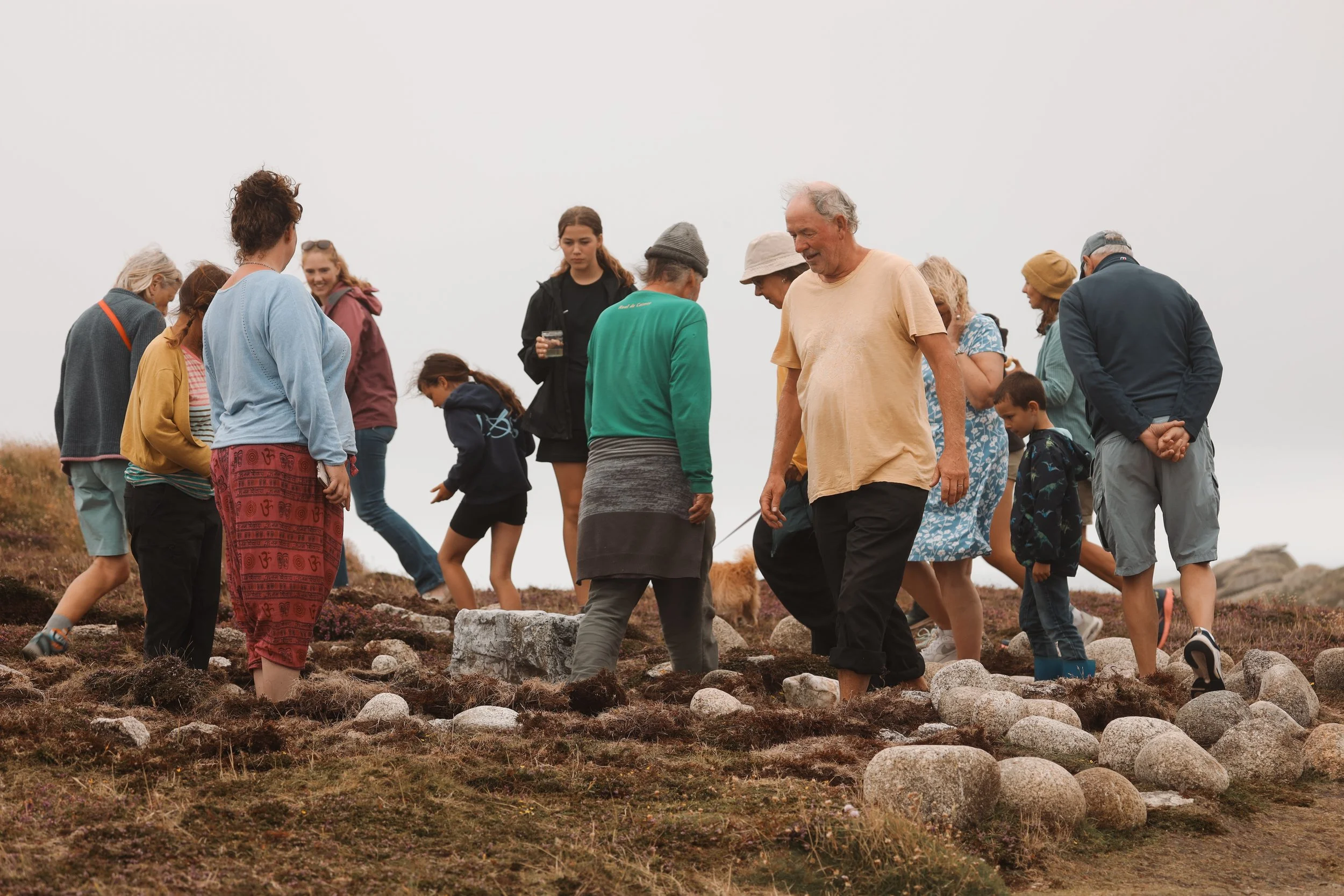
Our pilgrims walk the newly restored Giant’s Castle Maze…
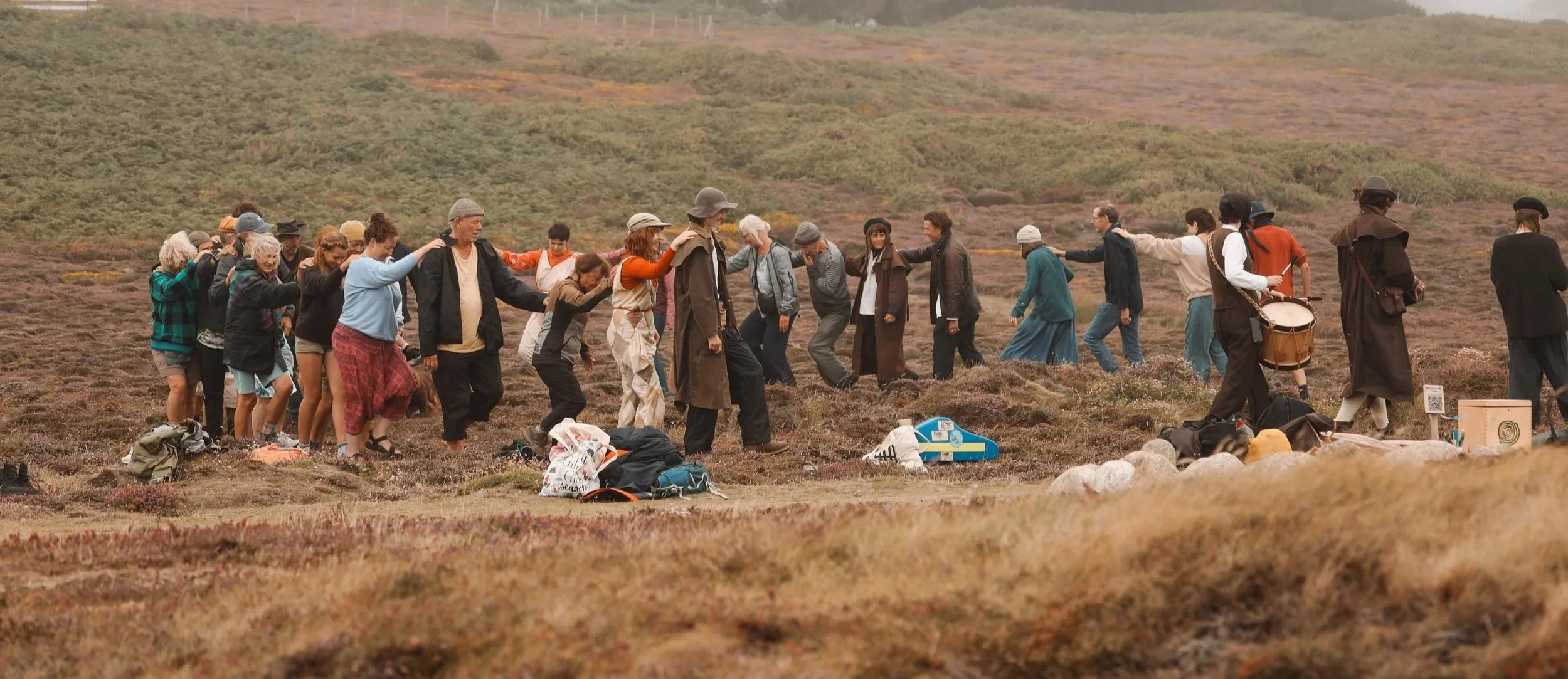
A traditional Cornish “Snail Creep” spiralling dance is performed, joined in by the event attendees…
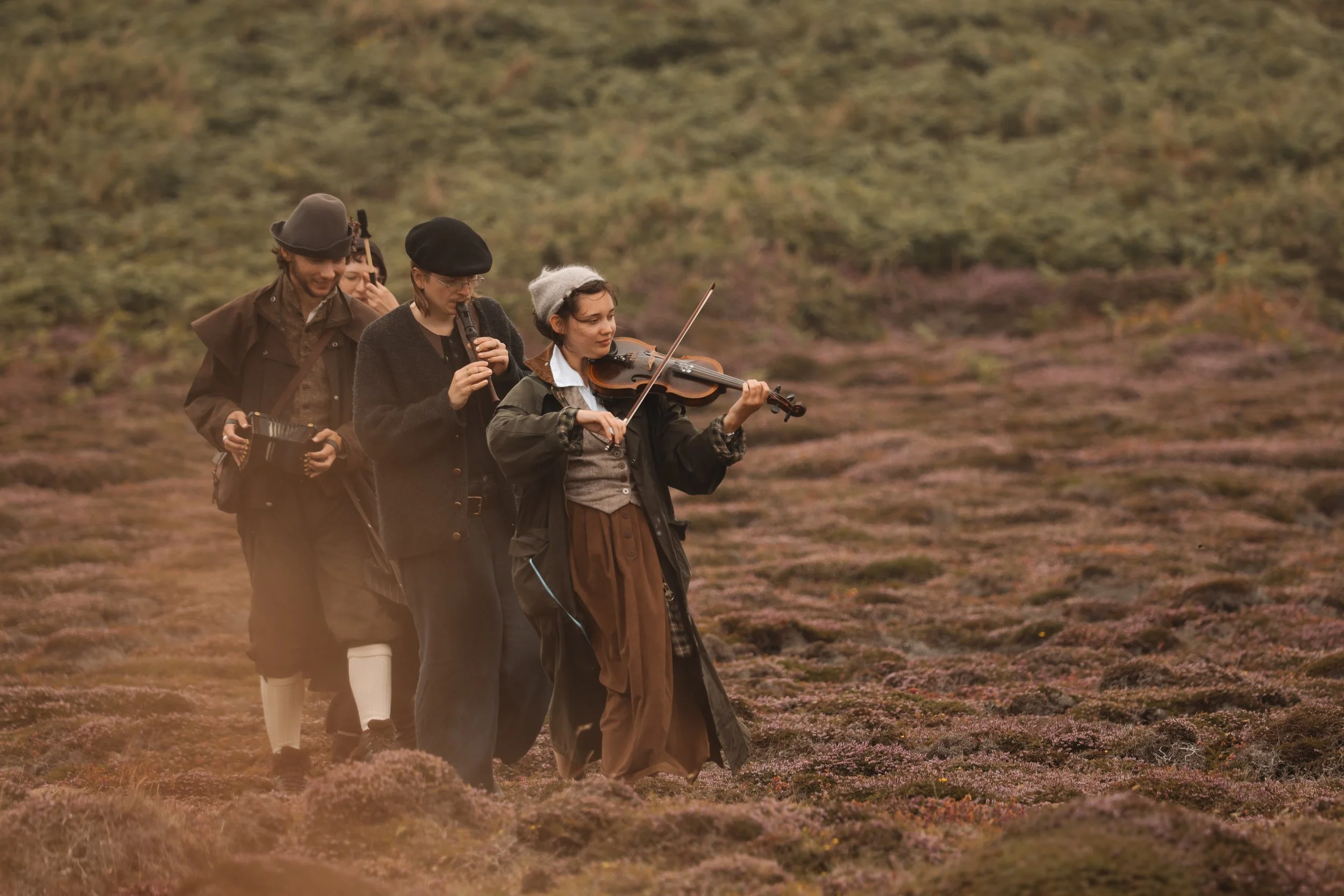
Goblin Band perform the traditional “Rescorla Snail Creep” music to accompany the dancing…
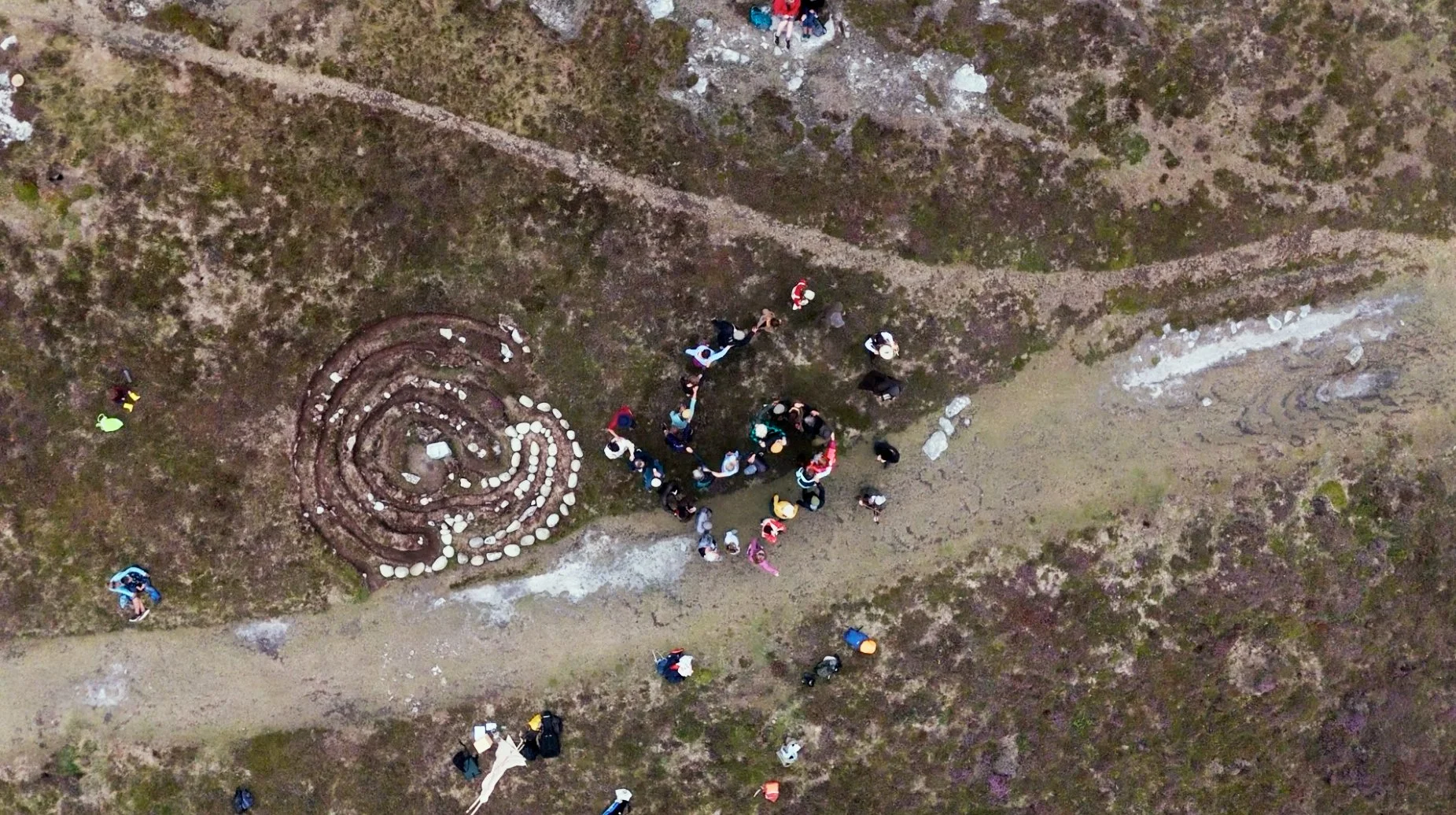
The spiralling shape of the dance mirrors the shape of the labyrinth…
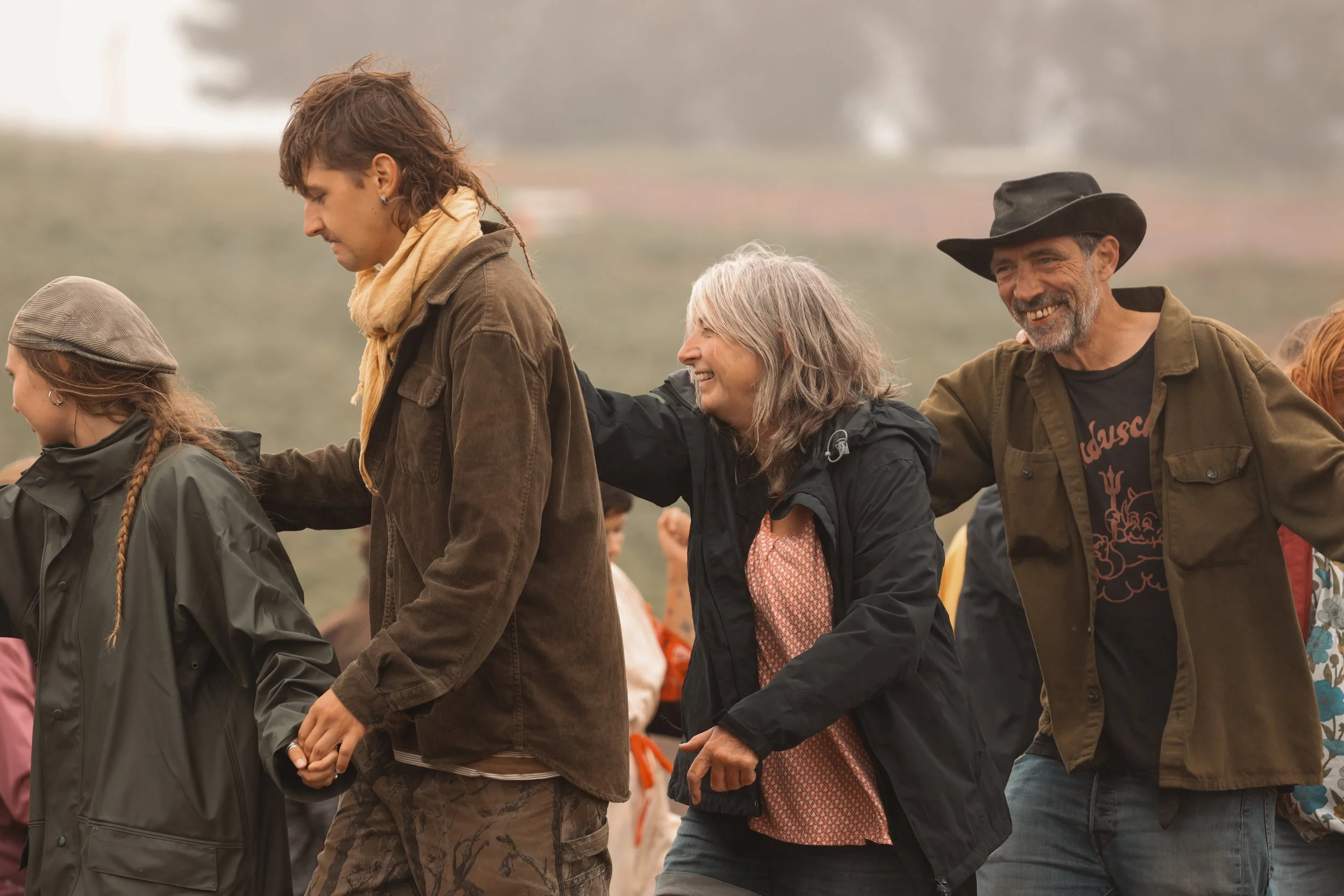
The spiralling dance - similar to the Serpent Dance practiced in nearby Penzance - is fully participatory…
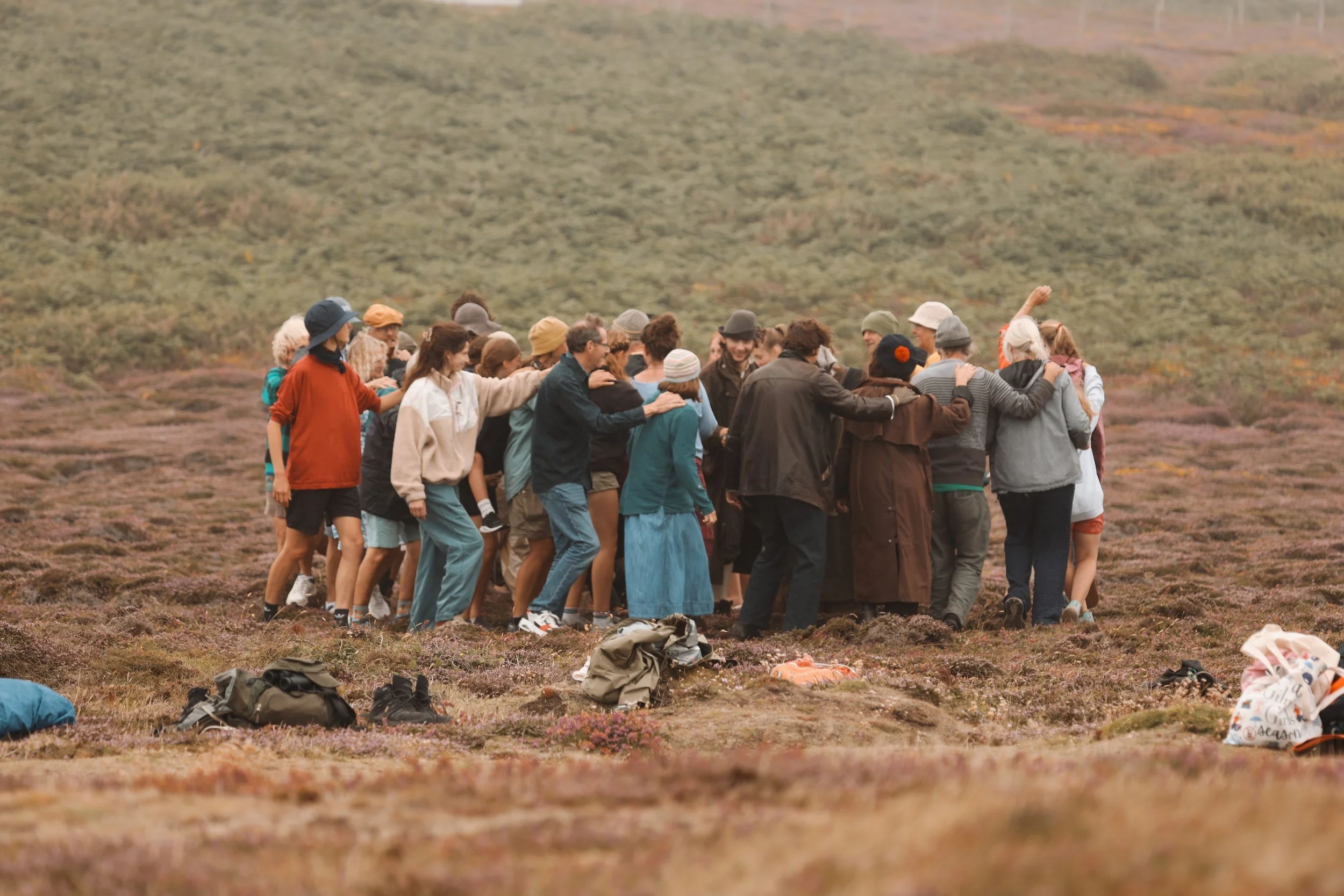
Dancers grow ever-closer as if approaching the centre of a labyrinth, before spiralling outwards again…
To end the festivities we ritually honoured and exchanged the banner depicting the old, pre-restoration labyrinth path layout with the one depicting the new post-restoration layout. Many thanks so Layla from the Five Island Academy for helping to carry the banners.
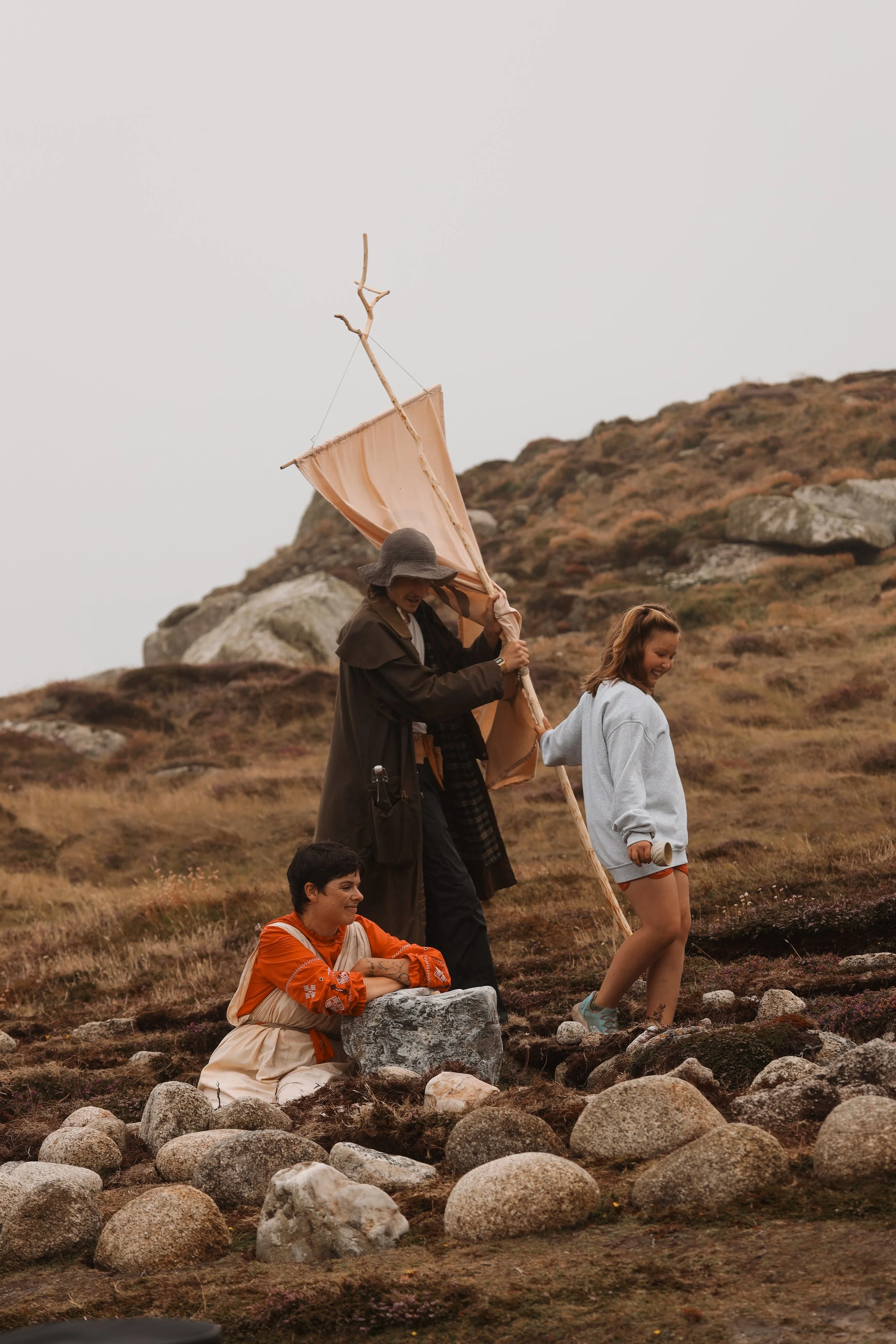
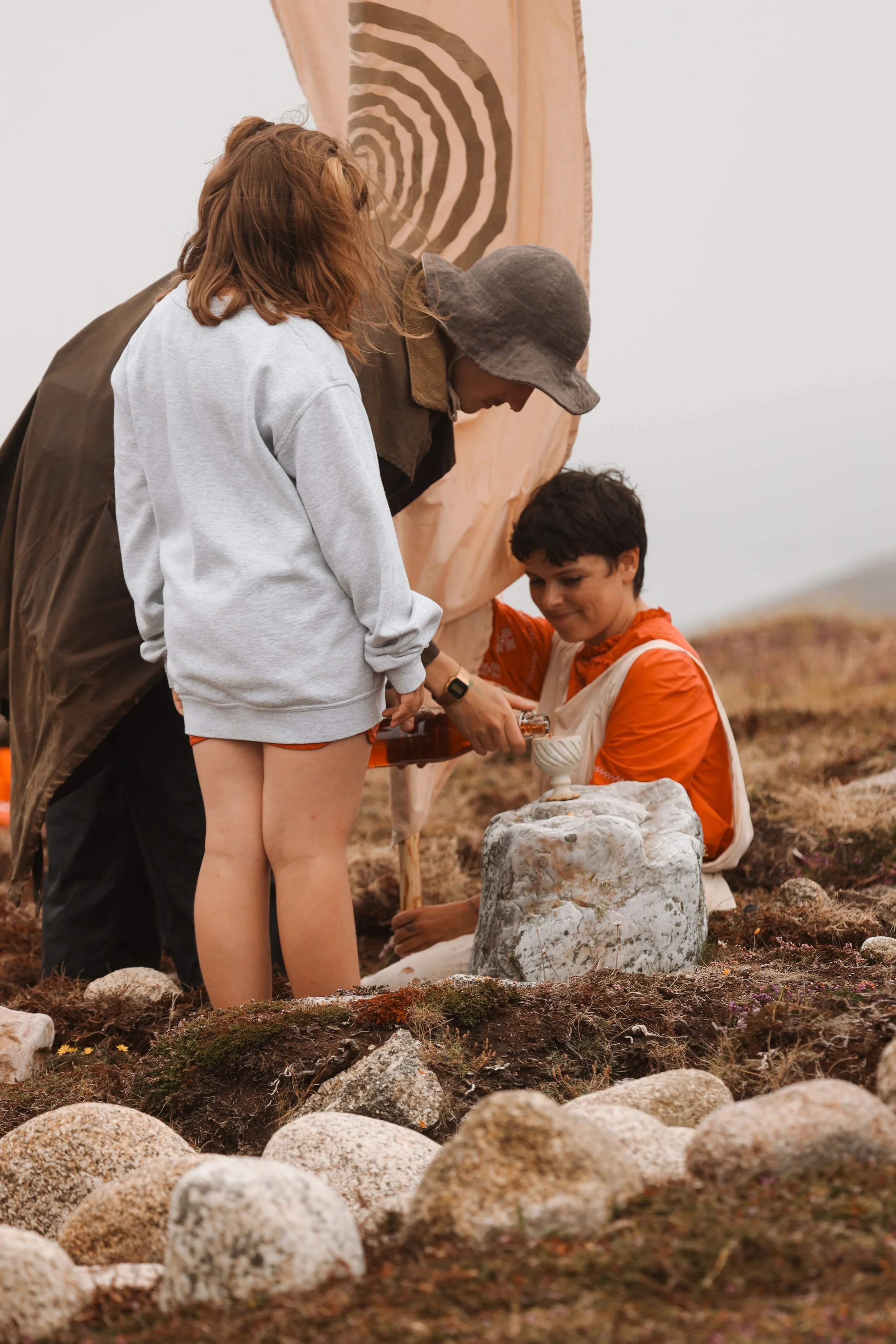
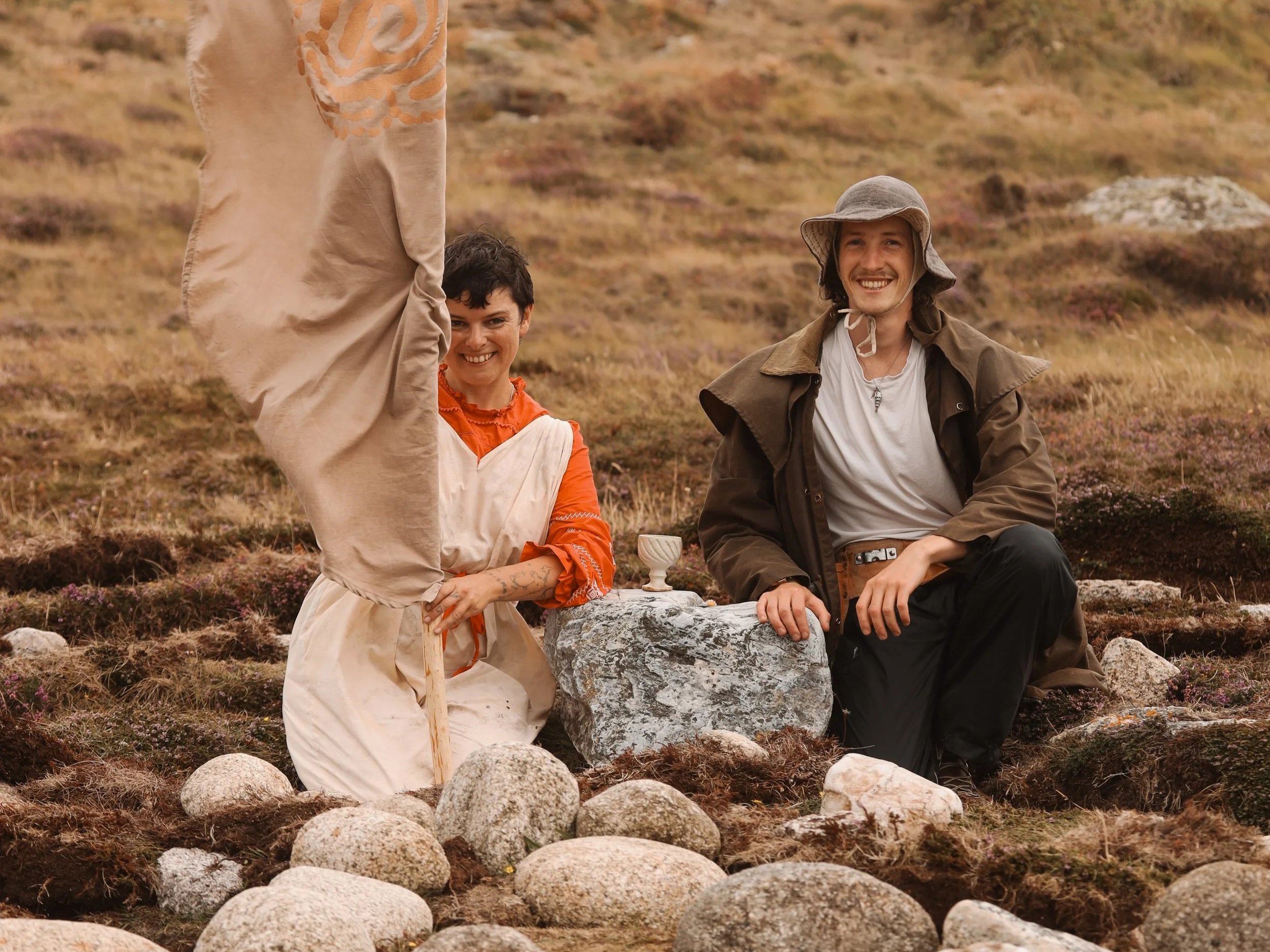
Teän and Layan at the centre of the restored labyrinth…
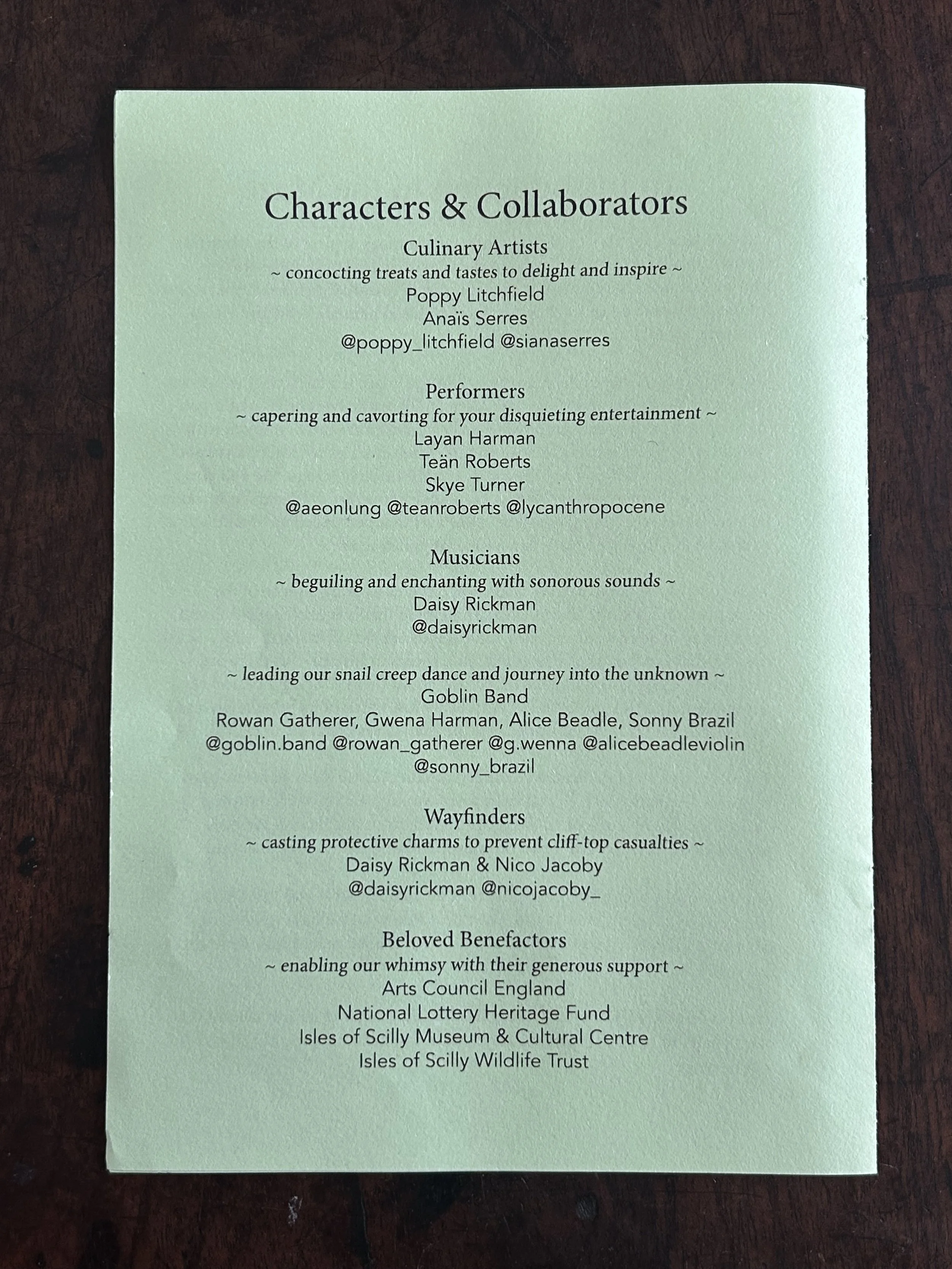
So much gratitude to everyone who worked together with us to make this new folkloric festival happen…
And thanks as always to our funders - Arts Council England and National Lottery Heritage Fund for their generous support…
With special thanks to photographer Inga Drazniece for the amazing photography and drone footage of this celebration, and to the Isles of Scilly Wildlife Trust for permission to hold our event on the land they take care of.